 EN
EN

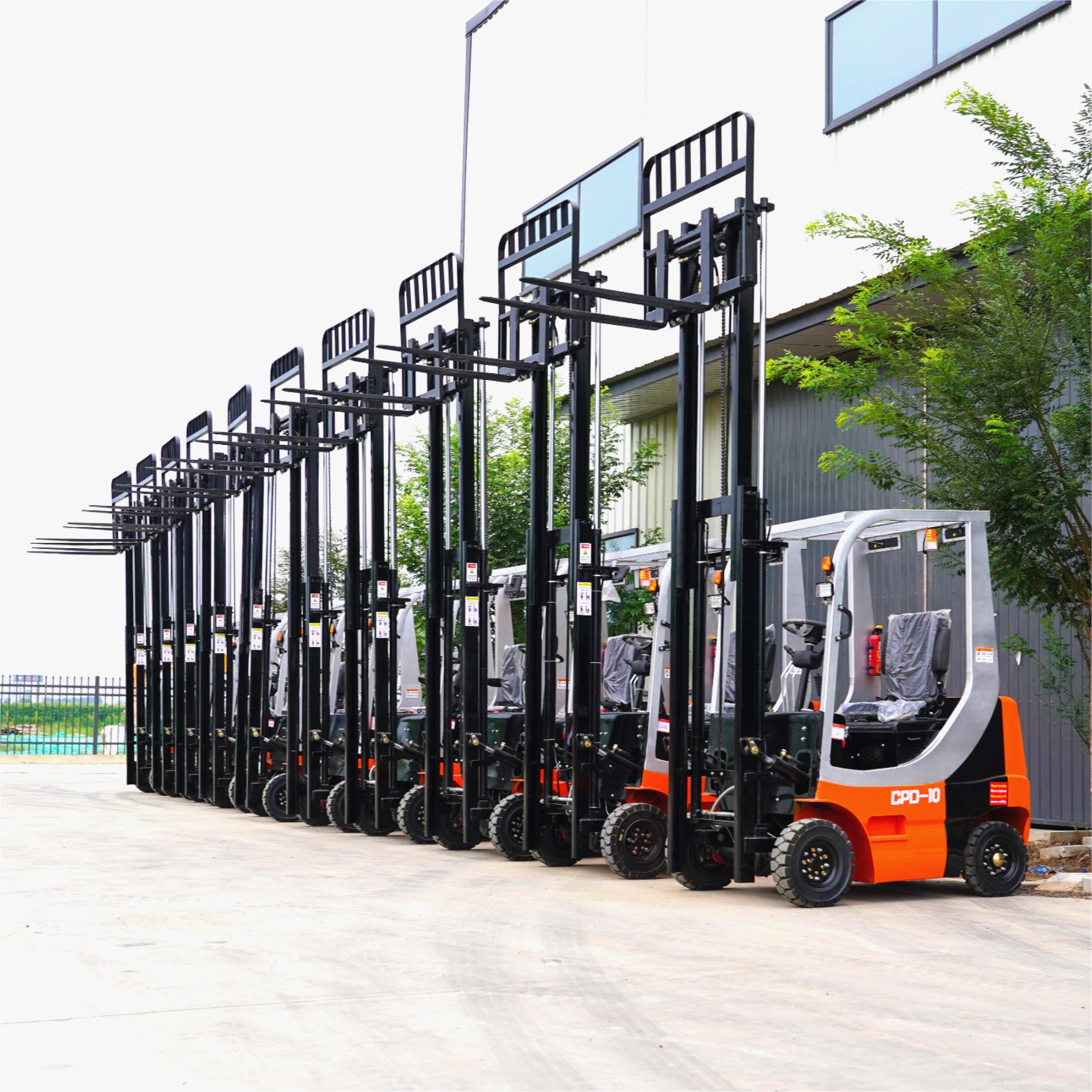
In today’s highly competitive logistics and distribution environment, warehouse efficiency is no longer defined simply by how fast pallets move from point A to point B. True efficiency is measured by how smoothly energy is consumed, how consistently operators perform, how reliably data flows through systems, and how well equipment supports long-term scalability. When decision-makers plan to buy electric forklift solutions, many still focus narrowly on battery life, lifting capacity, or purchase price. These metrics alone rarely explain why some warehouses achieve higher throughput, lower operating expenses, and stronger safety performance than others.
From the perspective of a warehouse energy and efficiency optimization consultant, an electric forklift should be evaluated as a mobile productivity platform within a complex operational ecosystem. When companies buy electric forklift without aligning the equipment with charging workflows, operator ergonomics, traffic flow, and digital integration, inefficiencies surface quickly: unplanned downtime during charging, congestion at bottlenecks, excessive electricity consumption, slow handling cycles, and limited visibility into fleet performance. Conversely, when organizations strategically buy electric forklift based on system-level efficiency, forklifts become a core driver of continuous operational improvement, predictable OPEX control, and sustainable growth.
This guide explains what to look for when you buy electric forklift for warehouse efficiency, focusing on three interconnected performance clusters: energy integration, operator productivity, and intelligent data connectivity. Understanding these factors allows procurement leaders, operations directors, and supply chain managers to convert technical specifications into measurable business outcomes.
Efficiency Core One: Power Endurance and Charging Workflow Integration
Energy management is the foundation of forklift productivity. When you buy electric forklift, the battery and charging ecosystem determine how consistently equipment remains available for productive work. Lithium battery technology has transformed warehouse energy strategy by enabling opportunity charging. Instead of removing batteries for long charging cycles or maintaining spare battery inventories, lithium systems allow operators to recharge during short breaks, shift transitions, or low-demand periods. This approach dramatically increases fleet availability while simplifying safety compliance and maintenance routines.
For high-throughput operations running multiple shifts, the decision to buy electric forklift equipped with fast-charging lithium batteries eliminates the operational friction of battery swaps and reduces the footprint required for dedicated charging rooms. Many modern systems can achieve high state-of-charge levels in under an hour under optimized conditions, allowing near-continuous utilization across long production windows. Over time, this translates into higher asset utilization, fewer standby assets, and improved return on capital employed.
Beyond charging speed, intelligent power management further amplifies efficiency. Advanced electronic controllers recover braking energy and regulate power output according to load demand and driving patterns. When warehouses buy electric forklift with configurable performance modes, fleet managers can balance acceleration profiles and energy consumption based on real task intensity. Light-duty transport routes may operate in energy-saving modes, while peak loading zones can temporarily unlock higher performance without permanently increasing energy consumption. This optimization directly lowers electricity cost per pallet moved while maintaining service level requirements.
Charging infrastructure design is equally critical. When companies buy electric forklift, charging points must be positioned to minimize dead travel distance and congestion. Distributed charging near operational zones often improves workflow fluidity, while centralized charging may suit lower utilization fleets. Poor charging layout can silently erode productivity even when forklift specifications appear strong on paper. A well-planned energy ecosystem ensures that when you buy electric forklift, charging becomes a seamless operational rhythm rather than a scheduling constraint.
The combined effect of lithium technology, intelligent energy management, and optimized charging layout enables higher uptime, lower direct energy cost, simplified maintenance management, and predictable energy budgeting — all essential drivers of warehouse efficiency.
Efficiency Core Two: Operator Performance and Ergonomic Productivity
Labor productivity remains one of the largest controllable cost factors in warehouse operations. When organizations buy electric forklift, operator experience directly influences throughput consistency, safety performance, and workforce stability. Electric forklifts offer quiet operation, zero emissions, and minimal vibration, creating healthier working environments in enclosed warehouses. Reduced fatigue improves sustained attention, lowering error rates and incident frequency during extended shifts.
Visibility design and intuitive control layouts further accelerate operational efficiency. Wide mast visibility, low step-in heights, and logically arranged controls reduce micro-delays during each handling cycle. When companies buy electric forklift that prioritize ergonomic design, operators achieve faster onboarding, shorter learning curves, and more consistent performance across varying skill levels.
Drive system precision also impacts productivity density. Advanced AC motors deliver smooth acceleration, accurate speed modulation, and stable braking behavior, enabling operators to maneuver confidently in narrow aisles and dense racking environments. When warehouses buy electric forklift with refined drive tuning, operators spend less time correcting positioning errors and more time executing productive movements. This reduces cycle times while simultaneously improving safety margins.
Attachment compatibility further expands productivity flexibility. Many warehouses buy electric forklift to support diverse handling tasks such as clamping, rotating, or specialized pallet manipulation. Intelligent hydraulic recognition automatically adjusts pressure and flow parameters to match each attachment, reducing setup errors and mechanical wear. Quick-change attachment systems minimize downtime between task transitions, enabling a single forklift to replace multiple specialized machines. When businesses strategically buy electric forklift with attachment intelligence, asset utilization improves while capital redundancy declines.
The productivity impact of ergonomic design, precise control systems, and attachment intelligence manifests as higher picks per hour, reduced training overhead, improved operator retention, and faster task reconfiguration — all contributing directly to operational efficiency.
Efficiency Core Three: Data Connectivity and Intelligent Management Interfaces
Modern warehouses increasingly rely on real-time data to optimize performance. When organizations buy electric forklift, embedded telematics transform each vehicle into a mobile data node. Sensors continuously monitor location, utilization, energy consumption, diagnostic status, and operator behavior. This visibility enables predictive maintenance, proactive scheduling, and identification of congestion points that would otherwise remain hidden.
Fleet analytics allow managers who buy electric forklift with connectivity to balance utilization across assets, reduce idle time, and plan maintenance based on actual operating conditions rather than fixed intervals. The result is lower downtime, extended component life, and higher fleet availability.
Integration with warehouse management systems further enhances efficiency. When you buy electric forklift capable of wireless task integration, forklifts can receive dynamic job assignments directly from operational systems, minimizing manual dispatch delays and unnecessary empty travel. This synchronization reduces queue buildup and improves real-time responsiveness to order fluctuations.
Automation readiness is another strategic consideration. Warehouses evolve rapidly toward semi-automated and autonomous operations. When companies buy electric forklift with navigation interfaces and scalable control architecture, they protect long-term capital investment and retain flexibility to adopt automation technologies as business volume grows. Even when automation deployment is deferred, automation-ready infrastructure preserves strategic optionality.
Data-driven operations enable higher asset utilization, lower unplanned downtime, faster continuous improvement cycles, and scalable digital transformation — all critical for future-ready warehouse performance.
Building a Practical Efficiency Evaluation Framework
When preparing to buy electric forklift, procurement teams should translate these efficiency dimensions into structured evaluation questions. Energy flow assessment should examine charging strategy alignment with shift patterns and projected throughput. Operational flow evaluation should include operator trials in real aisle conditions to validate visibility, maneuverability, and ergonomic comfort before committing to buy electric forklift. Data flow evaluation should confirm compatibility with fleet management platforms and warehouse systems to ensure long-term digital scalability.
This framework ensures that when organizations buy electric forklift, the decision aligns with measurable productivity outcomes rather than isolated specifications.
Partnering for End-to-End Efficiency Enablement
Choosing to buy electric forklift is a systems engineering decision that impacts energy infrastructure, labor productivity, data architecture, and future automation readiness. Our organization positions itself as a strategic efficiency partner rather than a transactional equipment supplier. We work collaboratively with customers to align forklift selection with warehouse layout optimization, charging workflow design, operator performance enhancement, and data utilization strategies.
Through consultative assessment, integrated solution delivery, and continuous optimization support, we ensure that when clients buy electric forklift, the equipment becomes a scalable productivity asset rather than a static cost center. Organizations planning to buy electric forklift are encouraged to engage in structured efficiency assessments, operational demonstrations, and total cost modeling to validate expected performance gains before deployment.
Conclusion
To buy electric forklift for warehouse efficiency requires a holistic perspective that balances energy flow, operational flow, and data flow. When these dimensions are integrated effectively, forklifts evolve into intelligent mobile productivity platforms that reduce operating costs, stabilize throughput, enhance workforce performance, and support long-term automation readiness. Decision-makers who strategically buy electric forklift based on system-level efficiency position their warehouses for sustainable operational excellence rather than incremental improvement.
References
-
International Energy Agency – Industrial Energy Efficiency and Electrification Analysis.
-
Ergonomics and Occupational Safety Studies on Operator Fatigue and Productivity in Material Handling Environments.
-
Industry Research on Lithium Battery Opportunity Charging and Fleet Utilization Performance.
Table of Contents
- Efficiency Core One: Power Endurance and Charging Workflow Integration
- Efficiency Core Two: Operator Performance and Ergonomic Productivity
- Efficiency Core Three: Data Connectivity and Intelligent Management Interfaces
- Building a Practical Efficiency Evaluation Framework
- Partnering for End-to-End Efficiency Enablement
- Conclusion
- References