 EN
EN

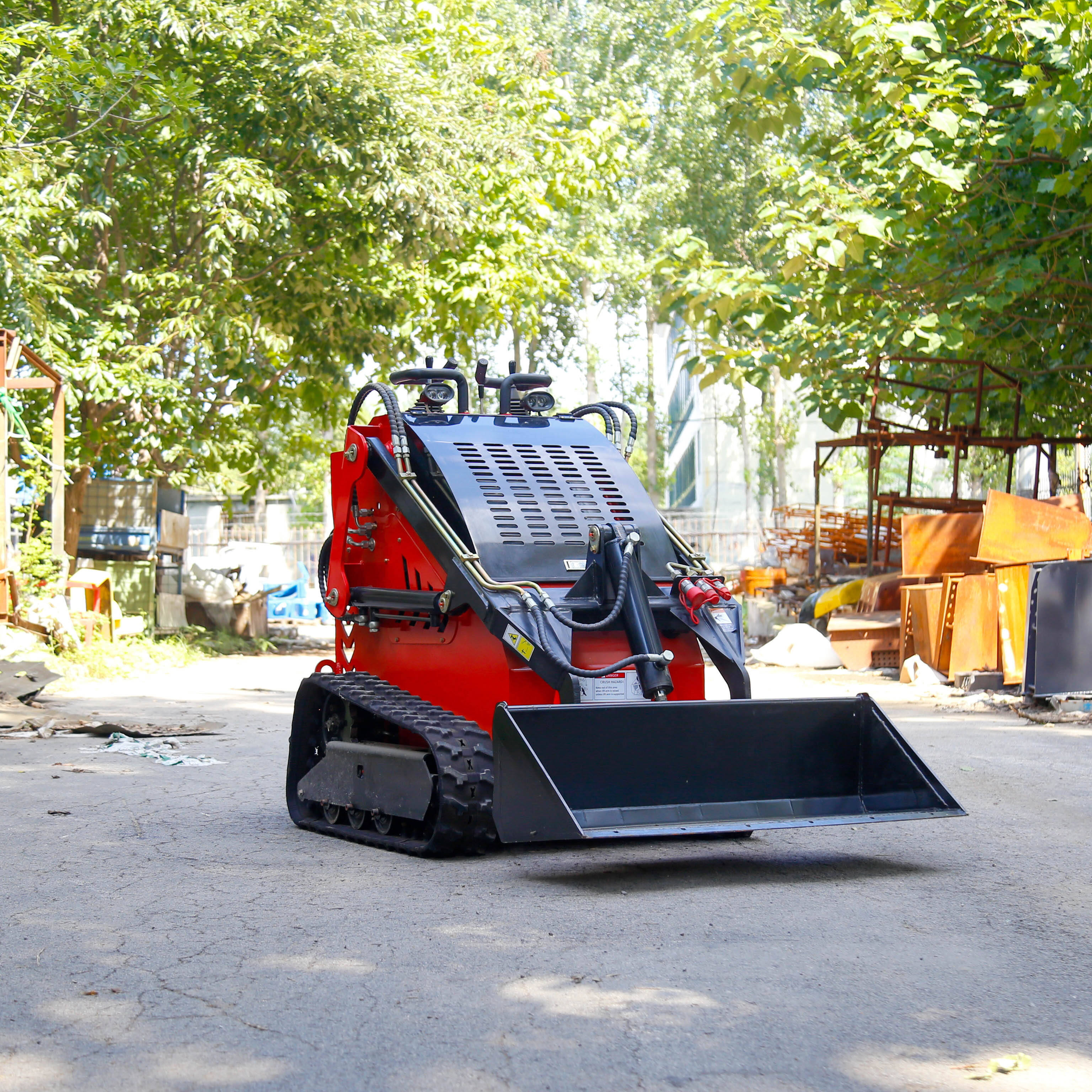
In both construction and agriculture, productivity is increasingly measured by how much output can be achieved within limited space, limited time, and rising labor costs. From indoor renovation projects with narrow access points to livestock barns and confined farmyards, contractors and farm operators face the same challenge: they need compact machines that deliver high productivity density without sacrificing durability, versatility, or operating economy.
This is precisely why skid loader equipment has become a core asset across multiple industries. Modern skid loader equipment is no longer just a small loader—it is a mobile power platform capable of running dozens of attachments while maintaining maneuverability in restricted environments. However, selecting the right skid loader equipment requires more than comparing bucket capacity or engine horsepower. Real performance is determined by a balanced evaluation of power delivery, stability, adaptability, operator efficiency, and total ownership cost.
As a compact equipment solution consultant, Shandong Nuote Machinery Co., Ltd. supports contractors, agricultural operators, and rental companies with application-driven skid loader equipment selection, attachment integration, and lifecycle service planning. This guide explains the three critical performance dimensions that truly determine whether skid loader equipment will maximize your operational return.
1. Power, Lifting Capability, and Stability: The Foundation of Real Performance
Power is the baseline of any productive machine, but in skid loader equipment, usable power matters more than headline horsepower. Net engine power—the energy actually available to drive hydraulics and traction under load—determines how consistently attachments perform during demanding cycles. High torque output enables smoother pushing, digging, and material breakout, especially when operating continuously in compact job sites.
Hydraulic performance defines whether skid loader equipment can function as a true multi-attachment platform. Auxiliary hydraulic flow rate and pressure directly control attachment productivity such as hydraulic breakers, augers, trenchers, or stump grinders. Machines with insufficient hydraulic capacity may technically support attachments but operate inefficiently, increasing cycle time and wear. When evaluating skid loader equipment, buyers must align hydraulic output with their most demanding attachment requirements rather than average tasks.
Lifting geometry further influences real-world productivity. Radial lift designs prioritize breakout force and mid-height lifting stability, making them suitable for heavy material loading and grading operations. Vertical lift designs maintain load proximity to the machine throughout the lifting arc, improving stability and visibility when stacking or loading trucks. Rated operating capacity must also be interpreted carefully, as stability margins vary depending on lift height and attachment weight.
From a business perspective, this dimension determines how effectively skid loader equipment supports revenue-generating tasks, attachment utilization rates, and jobsite efficiency. Underpowered systems increase fuel consumption, maintenance strain, and cycle time, directly impacting profitability.
2. Machine Size, Mobility, and Site Adaptability
Compact dimensions are a defining advantage of skid loader equipment, but size optimization must align with site constraints and surface conditions. Machine width and height determine access through doors, greenhouse aisles, livestock corridors, and renovation zones. Narrow machines increase accessibility but may reduce stability under heavy loads.
Operating weight influences traction, pushing capability, and ground disturbance. More important than absolute weight is ground pressure. Low ground pressure protects turf, soft soil, and newly poured concrete while maintaining traction in muddy agricultural environments. Proper balance between weight and flotation preserves site integrity and reduces remediation costs.
Undercarriage configuration further shapes operational flexibility. Wheeled skid loader equipment provides higher travel speed and lower maintenance for hard surfaces but increases surface impact on sensitive ground. Tracked systems deliver superior traction, flotation, and slope stability, particularly in muddy farms, demolition debris, and uneven terrain. However, track maintenance costs and transport weight must be factored into ownership planning.
Selecting the wrong configuration can limit site access, damage surfaces, or reduce productivity density. Properly matched skid loader equipment ensures uninterrupted operations across diverse environments while protecting infrastructure and soil integrity.
3. Operator Efficiency, Comfort, and Attachment Ecosystem
Operator productivity directly affects the utilization rate of skid loader equipment. Visibility, control ergonomics, and intuitive layout reduce fatigue and error frequency. Clear sightlines improve safety when working in congested environments. Control logic consistency reduces training time and accelerates workforce deployment.
Cab environment quality impacts sustained output. Effective sealing, climate control, vibration isolation, and ergonomic seating enable longer productive shifts, especially in dusty construction zones or extreme agricultural climates. Comfortable operators maintain consistent cycle times and lower accident risk.
Attachment compatibility transforms skid loader equipment into a scalable productivity platform. Universal quick-attach systems allow rapid switching between buckets, forks, sweepers, trenchers, mulchers, and agricultural tools. A strong attachment ecosystem maximizes utilization, allowing one machine to replace multiple specialized assets and reduce capital intensity.
From a business standpoint, this dimension increases daily operating efficiency, workforce stability, and asset utilization while lowering fleet complexity.
4. Industry Application Focus: Construction vs. Agriculture
Construction environments prioritize lifting capacity, hydraulic output, protective structures, and tracked mobility. Heavy material handling, demolition debris management, and attachment-intensive workflows demand robust hydraulic architecture and durable chassis design in skid loader equipment.
Agricultural operations prioritize access clearance, soil protection, attachment versatility, and mechanical reliability. Livestock feeding, manure handling, material transport, and seasonal field maintenance require adaptable skid loader equipment that minimizes ground disturbance and supports rapid attachment switching.
Understanding these application differences ensures buyers allocate investment toward performance factors that generate direct operational value.
5. Making a Structured Selection Decision
Buyers should begin by defining their top three daily applications and identifying which performance dimension carries the highest operational impact. This reverse-engineering approach prevents overspending on irrelevant specifications while protecting long-term productivity.
Total cost of ownership analysis should include fuel efficiency, maintenance frequency, attachment lifecycle, residual value, and downtime risk. Properly configured skid loader equipment delivers consistent ROI across multi-year operational horizons rather than short-term acquisition savings.
6. Partnering with Shandong Nuote Machinery Co., Ltd.
At Shandong Nuote Machinery Co., Ltd., we position skid loader equipment as an integrated productivity solution rather than a standalone machine. Our technical team evaluates application profiles, attachment requirements, site conditions, and utilization targets before recommending machine configurations.
We supply validated attachment systems optimized for compatibility and durability, ensuring seamless integration with skid loader equipment. Our training programs and service support protect uptime and operator efficiency throughout the equipment lifecycle.
Prospective clients are encouraged to schedule on-site assessments, participate in comparative demonstrations, and request customized configuration guides to experience measurable performance differentiation.
7. Conclusion
Selecting skid loader equipment is an investment in a scalable mobile productivity platform. Balanced evaluation across power systems, site adaptability, operator efficiency, and attachment ecosystems ensures sustainable performance growth and optimized capital utilization.
Rather than simply purchasing machinery, businesses should invest in a solution that evolves with operational demands. Shandong Nuote Machinery Co., Ltd. remains committed to helping customers unlock the full value potential of professional skid loader equipment.
References
-
ISO – Earth-moving Machinery Performance and Safety Standards Overview, 2023.
-
OSHA – Compact Equipment Safety and Productivity Guidelines, 2022.
-
International Construction Market Intelligence – Compact Equipment Utilization and ROI Analysis Report, 2024.
Table of Contents
- 1. Power, Lifting Capability, and Stability: The Foundation of Real Performance
- 2. Machine Size, Mobility, and Site Adaptability
- 3. Operator Efficiency, Comfort, and Attachment Ecosystem
- 4. Industry Application Focus: Construction vs. Agriculture
- 5. Making a Structured Selection Decision
- 6. Partnering with Shandong Nuote Machinery Co., Ltd.
- 7. Conclusion
- References