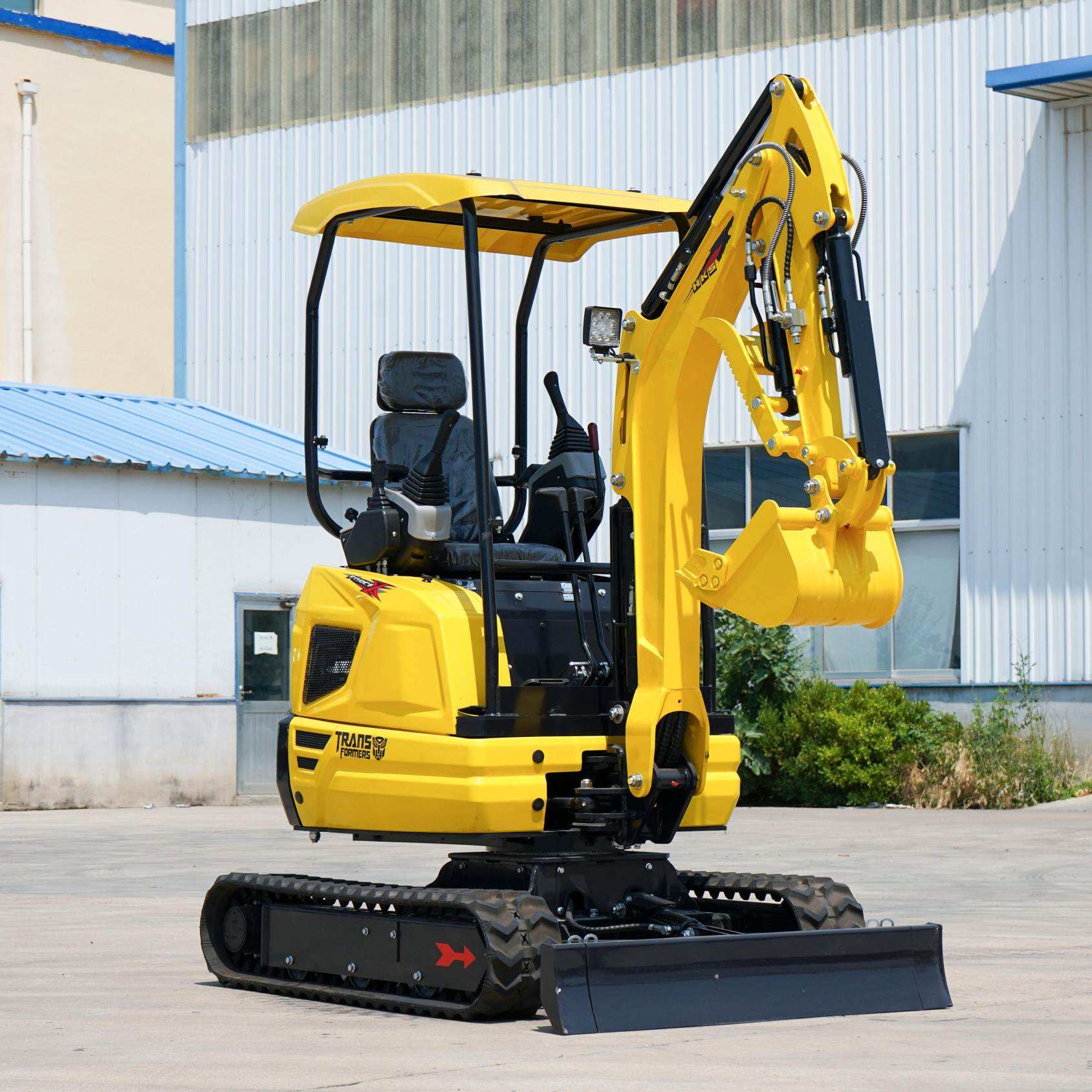
Mini Excavator Reach Capabilities for Efficient Operation

All Categories

Get a Free Quote

Our representative will contact you soon.
Email
Name
Mobile
Company Name
Message
0/1000
Maximizing Mini Excavator Reach for Enhanced Job Site Efficiency

Maximizing Mini Excavator Reach for Enhanced Job Site Efficiency

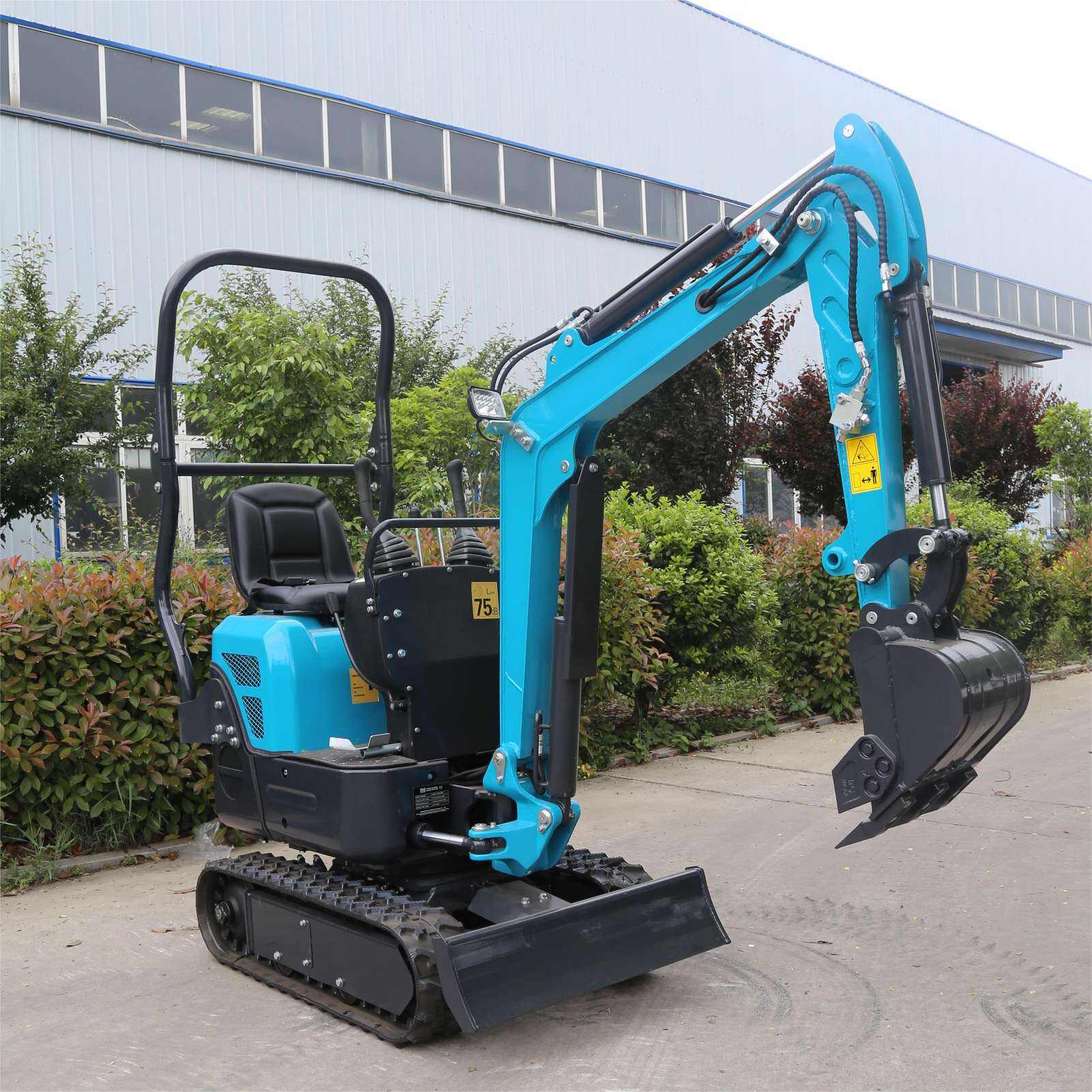
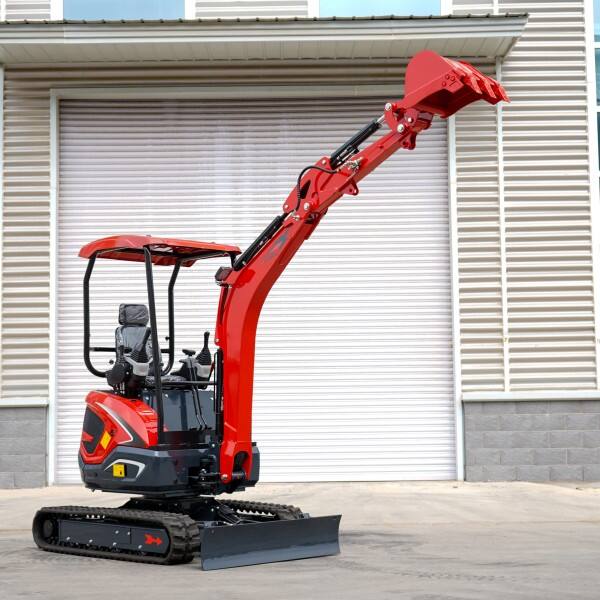
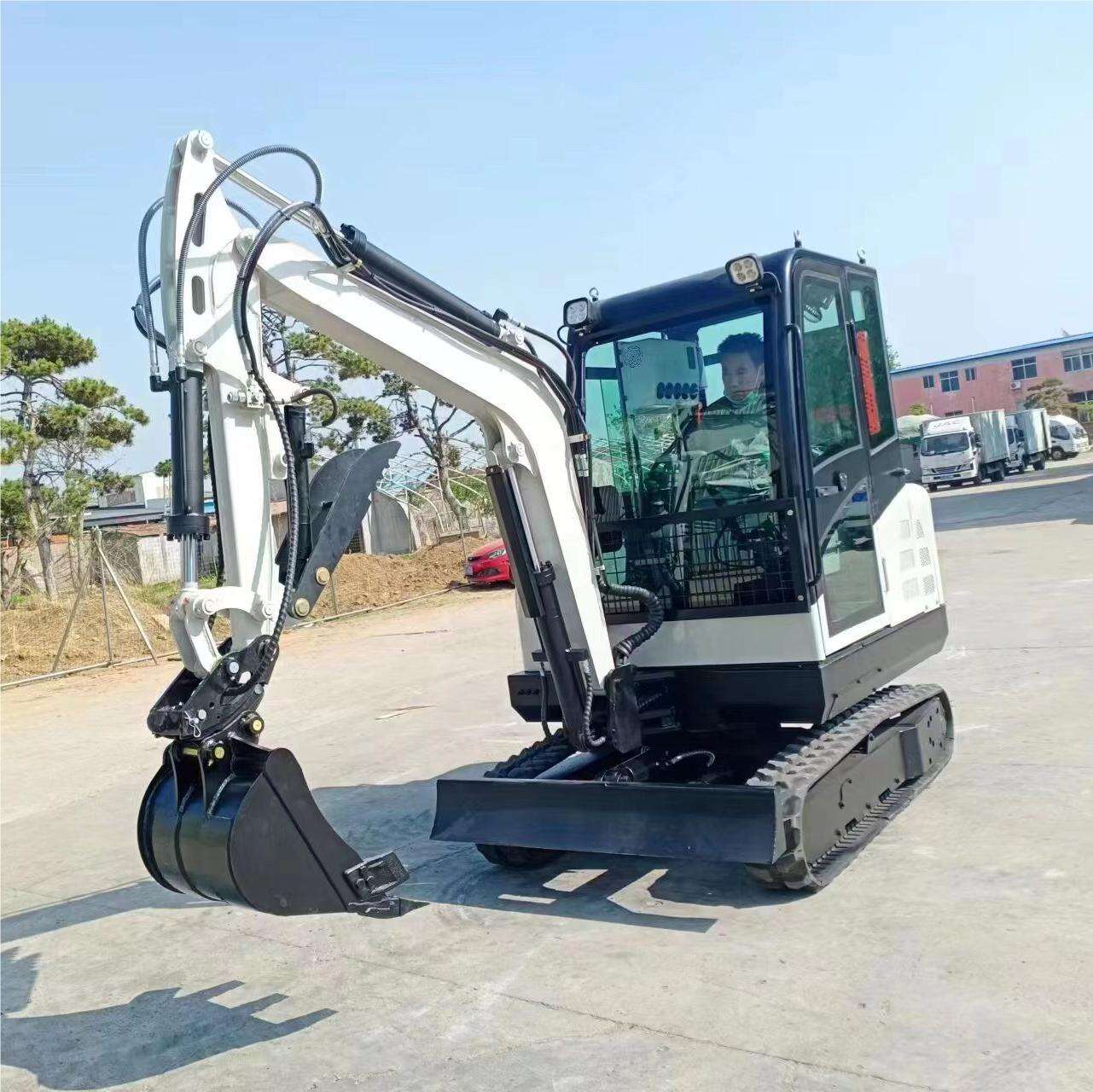
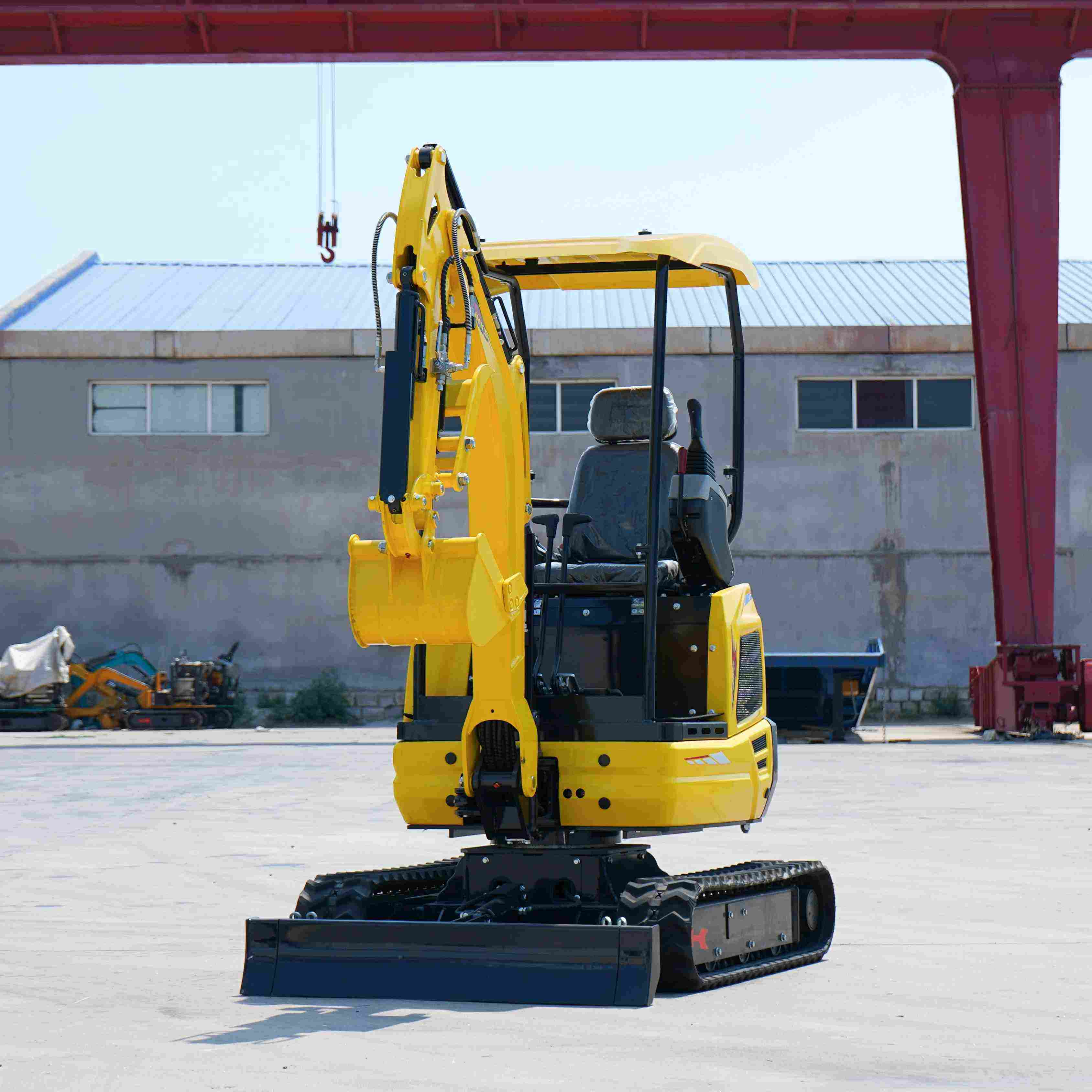
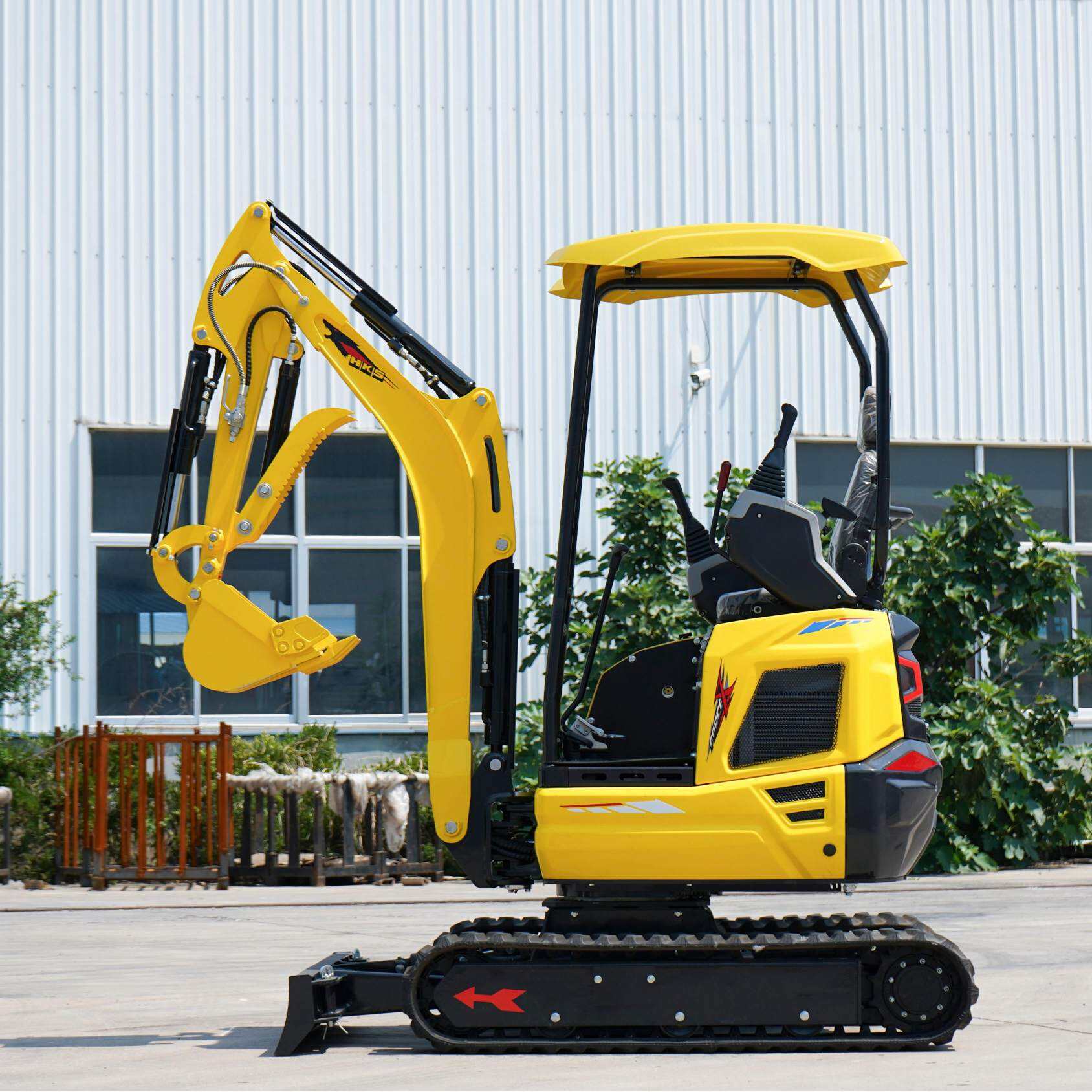
The operational reach of a mini excavator represents one of the most critical performance metrics for contractors evaluating equipment for complex projects. This parameter encompasses not only maximum digging depth but also horizontal reach, dumping height, and working radius - all determining factors in how effectively the machine can perform tasks without repositioning. Modern mini excavator designs have made significant strides in extending these reach capabilities while maintaining compact dimensions suitable for confined workspaces. The integration of intelligent control systems further enhances the practical utilization of available reach by ensuring precise movement throughout the entire working range. For projects involving deep excavations, slope work, or material handling over obstacles, superior reach characteristics translate directly to reduced cycle times, lower fuel consumption, and decreased operator fatigue.
Get A Quote

Operational Benefits of Extended Mini Excavator Reach

Extended reach capabilities in mini excavators deliver measurable advantages across diverse applications, directly impacting project efficiency, safety, and economic outcomes.

Reduced Repositioning for Improved Efficiency

Superior mini excavator reach characteristics significantly reduce the frequency of machine repositioning during operation, directly translating to improved project efficiency and reduced cycle times. The ability to cover larger work areas from a single position proves particularly valuable in applications such as trenching, foundation excavation, and slope work where continuous operation is paramount. This reduced repositioning frequency not only saves time but also minimizes track wear and fuel consumption associated with machine movement. The extended horizontal reach enables operators to work around obstacles or from stable positions while still accessing the entire work area. This advantage becomes especially pronounced in applications requiring precise depth consistency, such as utility installation or grading work, where frequent repositioning could compromise accuracy.

Enhanced Operator Positioning for Hazard Avoidance

The extended reach available in modern mini excavators provides significant safety advantages by enabling operators to position machines further from potential hazards while maintaining complete work area access. This capability proves invaluable when working near unstable edges, water features, or existing structures where close proximity could present safety concerns. The ability to operate from stable ground while reaching across compromised areas reduces risks associated with ground collapse or machine instability. Additionally, extended vertical reach allows for safer material placement at height or depth without requiring operators to position machines directly beneath overhead hazards or at the edge of excavations. This safety advantage extends to applications involving material handling over obstacles or working in areas with restricted access where traditional equipment positioning would be impractical or dangerous.

Broader Project Capabilities with Single Equipment

The extended reach characteristics of modern mini excavators significantly expand the range of applications accessible to contractors without requiring larger equipment. The combination of substantial digging depth, horizontal reach, and dumping height enables a single machine to handle tasks traditionally requiring multiple equipment types or specialized machinery. This versatility proves particularly valuable for contractors working on diverse projects with varying space constraints and technical requirements. The ability to reach deeper excavations from stable level ground enhances performance in foundation work, while extended horizontal reach improves efficiency in slope grading and drainage projects. The enhanced dumping height facilitates easier truck loading and material placement in applications where access limitations prevent ideal machine positioning.

Enhanced Efficiency with Reduced Resource Consumption

The operational efficiency afforded by extended mini excavator reach translates directly to improved resource utilization and reduced environmental impact. The reduced repositioning frequency decreases fuel consumption significantly over project timelines, contributing to lower operating costs and reduced emissions. The ability to complete tasks more efficiently from fewer positions minimizes ground disturbance and compaction, particularly important in environmentally sensitive areas or finished landscapes. The extended reach also enables more effective material placement, reducing handling requirements and associated energy consumption. This efficient resource utilization extends to maintenance considerations, as reduced machine movement decreases wear on undercarriage components and hydraulic systems. The combination of these factors results in lower total cost of ownership while supporting sustainability objectives increasingly important in modern construction practices.

Engineering Advancements in Mini Excavator Reach Capabilities

Modern mini excavator designs incorporate significant engineering innovations that extend functional reach while maintaining stability and control precision. These advancements include optimized boom and arm geometries that maximize working range without compromising machine dimensions or transportability. The integration of intelligent hydraulic systems ensures consistent power and control throughout the extended working envelope, maintaining performance even at maximum reach parameters. Structural enhancements utilizing high-strength steels provide the durability required for demanding applications while minimizing weight impacts that could affect transportability or ground pressure. The combination of these design elements results in equipment capable of handling challenging applications that previously required larger machinery, while still operating effectively in confined spaces characteristic of urban construction sites and residential projects.

The evolution of mini excavator reach capabilities represents one of the most significant technical advancements in compact equipment design, directly addressing the conflicting demands of extended working range and confined space operation. Modern engineering approaches have successfully expanded functional reach parameters while maintaining the compact dimensions that make mini excavators invaluable for urban construction, utility work, and residential projects. This progress stems from sophisticated design methodologies that optimize component geometry, weight distribution, and hydraulic system performance to extend working envelopes without compromising stability or transportability. The resulting equipment provides contractors with capabilities that bridge the gap between traditional compact excavators and larger machinery, enabling more efficient project execution across diverse applications. The practical implications of these reach extensions impact nearly every aspect of operation, from basic digging tasks to complex material handling applications where positioning flexibility determines productivity.

The application benefits of extended mini excavator reach span multiple project types and working conditions, each demonstrating the practical value of these technical advancements. In utility installation and maintenance projects, extended horizontal reach enables trenching operations from positions further from the work area, minimizing disruption to adjacent facilities or traffic patterns. The enhanced digging depth facilitates deeper excavations without requiring larger equipment that might be impractical in confined urban environments or residential properties. In slope work and embankment construction, the combination of horizontal reach and depth capabilities allows operators to work from stable positions while effectively reaching across variable grades. Material handling applications benefit significantly from improved dumping height and reach parameters, enabling more efficient truck loading and placement operations in spaces with limited access. Demolition projects within existing structures utilize extended reach to carefully remove components while maintaining safe distance from unstable elements. This diverse application spectrum demonstrates how reach extensions enhance mini excavator versatility while maintaining the operational advantages of compact equipment.

Shandong Nuote's engineering philosophy recognizes that practical reach extensions must balance numerical specifications with real-world usability across diverse operating conditions. The company's design approach focuses on optimizing the relationship between reach parameters, stability characteristics, and control precision to ensure that theoretical advantages translate to measurable productivity improvements. The manufacturing processes incorporate advanced materials and construction techniques that maintain structural integrity throughout the extended working range, ensuring consistent performance over the equipment's operational life. The comprehensive product testing regime validates reach capabilities under realistic working conditions, confirming that performance metrics align with contractor requirements across various applications. This practical engineering perspective ensures that reach advancements deliver tangible benefits rather than simply representing improved specifications, supporting contractors in achieving enhanced productivity and expanded application capabilities through intelligent equipment design.

Mini Excavator Reach Considerations

How do mini excavator reach specifications impact practical operation on job sites?

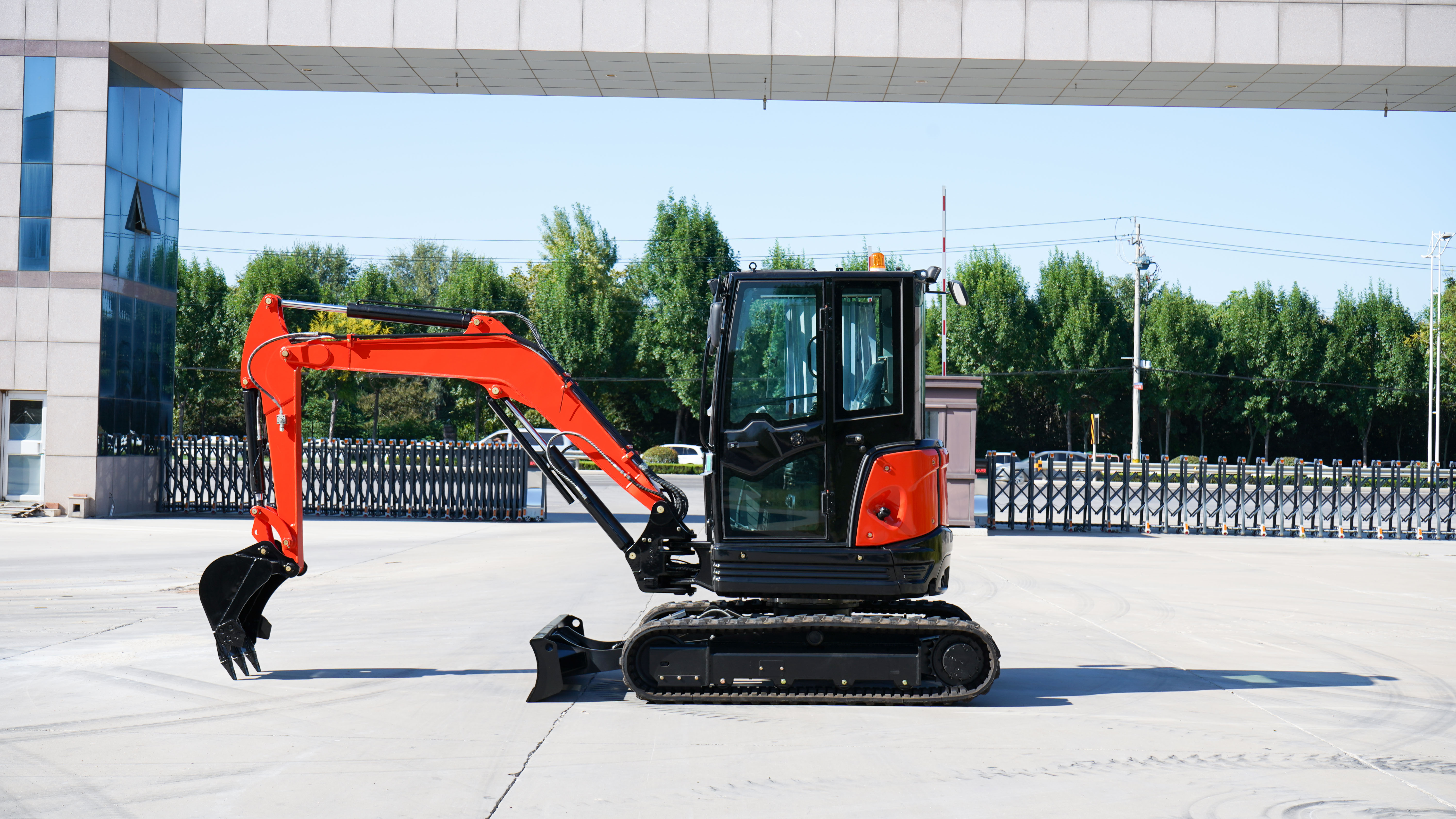
Mini excavator reach specifications directly influence operational efficiency, application versatility, and equipment selection for specific project requirements. The maximum digging radius determines how far the machine can work horizontally from its position, affecting how frequently repositioning is required during trenching or excavation tasks. Digging depth specifications indicate vertical reach below grade level, crucial for foundation work, utility installation, and any application requiring excavation beneath the machine's position. Dumping height measurements define how high materials can be placed, impacting truck loading efficiency and material handling capabilities. These reach parameters collectively determine the machine's working envelope - the three-dimensional space within which it can effectively operate from a single position.
Several engineering advancements collectively enable extended reach in modern mini excavators while maintaining operational stability and performance. Optimized component geometry represents a fundamental factor, with sophisticated design methodologies maximizing boom and arm configurations to extend working range without increasing machine footprint. Advanced hydraulic systems provide precise control throughout the extended operating envelope, automatically adjusting flow and pressure to maintain performance consistency at maximum extension. Structural enhancements utilizing high-strength materials ensure component integrity under the increased stresses inherent in extended reach applications. Stability systems incorporate intelligent monitoring and control functions that maintain safe operating parameters even when working at maximum reach capacity.
Contractors should evaluate mini excavator reach requirements through systematic assessment of project specifications, working conditions, and operational objectives. Project analysis should identify the maximum digging depth, horizontal reach, and dumping height requirements for all anticipated tasks, with appropriate margins for unexpected conditions. Workspace constraints including overhead obstructions, adjacent structures, and ground conditions influence how equipment can be positioned relative to work areas, directly affecting reach requirements. Material handling considerations including truck loading, placement precision, and obstacle clearance determine how vertical reach and dumping height impact operational efficiency. The frequency of repositioning acceptable for project timelines and economic objectives helps establish optimal reach parameters that minimize non-productive movement while maintaining operational flexibility.

Related Articles

How to Select a Low Price Tractor Without Compromising Performance and Durability?

05

Dec

How to Select a Low Price Tractor Without Compromising Performance and Durability?

1. Introduction: Balancing Cost and Capability in Modern Agriculture In today’s competitive agricultural market, farmers and equipment buyers face a constant challenge: how to acquire reliable machinery without overspending. The demand for cost...
View More
What Is the Average Tractor Price and How Does It Impact Your Agricultural Investment?

05

Dec

What Is the Average Tractor Price and How Does It Impact Your Agricultural Investment?

Introduction: Understanding the Tractor Market Landscape The agricultural machinery sector plays a pivotal role in modern farming, directly influencing operational efficiency, labor requirements, and overall profitability. Among the most essential pi...
View More
What Factors Influence Mini Excavator Cost Per Hour for Construction Contractors?

06

Nov

What Factors Influence Mini Excavator Cost Per Hour for Construction Contractors?

1. Market environment for mini excavator economics Contractors evaluating fleet economics increasingly focus on the mini excavator cost per hour as a core metric for bid formulation and margin control. The mini excavator occupies a unique place in co...
View More
What Are the Key Features of the Largest Excavator for Heavy-Duty Construction Projects?

05

Dec

What Are the Key Features of the Largest Excavator for Heavy-Duty Construction Projects?

Introduction – Product Background The construction industry has continuously evolved, demanding machines that can handle large-scale, heavy-duty operations efficiently. Among these, the largest excavator has emerged as a cornerstone of modern c...
View More

User Experiences with Extended Reach Excavators

Utility Construction Specialist

The extended reach capabilities of our modern mini excavator have fundamentally transformed our approach to utility installation projects. The combination of substantial digging depth and horizontal reach enables us to position machines on stable ground while working across varied terrain and excavation requirements. The reduced repositioning frequency has improved our productivity significantly, particularly in long trenching applications where continuous operation is essential. The intelligent control systems maintain precise operation throughout the entire working range, ensuring consistent depth and alignment even at maximum extension. The stability characteristics inspire confidence when working at full reach, with no compromise in control response or performance. These reach advantages have enabled us to undertake projects with more challenging access limitations while maintaining productivity standards that distinguish our services in competitive markets.

General Contracting Operations Manager

The extended reach parameters of our compact excavator have significantly expanded our application capabilities across diverse project types and working conditions. The substantial digging depth enables foundation work that previously required larger equipment, while the horizontal reach facilitates slope work and drainage projects from stable positions. The dumping height advantages have improved our truck loading efficiency in confined areas where ideal positioning isn't possible. The engineering balance between reach extensions and stability maintains safe operation even when utilizing the full working envelope on challenging terrain. The reduced repositioning requirements have decreased cycle times while minimizing ground disturbance in sensitive site conditions. These reach advantages have supported our business diversification into new market segments without additional equipment investments, maximizing return on capital while expanding our service offerings to existing clients.

Urban Construction Specialist

The extended reach characteristics of our mini excavator have proven particularly valuable in confined space applications where equipment positioning options are limited. The ability to work across substantial horizontal and vertical distances from a single position enables operation in areas with minimal access where traditional equipment would be impractical. The intelligent hydraulic systems maintain precise control throughout the extended working range, ensuring accurate performance in delicate applications near existing structures or utilities. The stability systems provide confidence when working at maximum parameters, with automatic monitoring and adjustment functions that maintain safe operating conditions. The combination of extended reach and compact dimensions creates operational flexibility that has allowed us to successfully complete projects with particularly challenging space constraints that would otherwise require specialized equipment or manual methods.

Get a Free Quote

Our representative will contact you soon.
Email
Name
Mobile
Company Name
Message
0/1000
Optimized Component Geometry for Maximum Reach

Optimized Component Geometry for Maximum Reach

The advanced component geometry in modern mini excavators represents a fundamental engineering achievement that extends functional reach while maintaining operational stability and control precision. Sophisticated design methodologies optimize the relationship between boom length, arm configuration, and attachment geometry to create extended working envelopes without increasing machine footprint or compromising transport dimensions. This geometric optimization ensures that reach extensions provide practical benefits across the entire working range rather than merely extending maximum theoretical values. The strategic positioning of pivot points and component relationships maintains optimal force transmission throughout the operating cycle, ensuring consistent performance even at maximum extension.
Intelligent Hydraulic Systems for Extended Range Control

Intelligent Hydraulic Systems for Extended Range Control

The integration of intelligent hydraulic systems in modern mini excavators ensures precise control and consistent performance throughout the extended working range, maximizing the practical utility of reach advancements. These sophisticated systems automatically adjust hydraulic flow and pressure based on working conditions and operator commands, maintaining smooth, controlled movement even at maximum extension where traditional systems might exhibit reduced performance or instability. The automation of complex hydraulic functions compensates for the increased leverage effects inherent in extended reach operations, providing operators with consistent control response regardless of boom and arm position. This technological enhancement proves particularly valuable when working at maximum depth or horizontal reach where precise movement control is essential for accurate excavation or careful material handling.
Enhanced Stability for Extended Reach Applications

Enhanced Stability for Extended Reach Applications

Modern mini excavators incorporate advanced stability systems specifically engineered to maintain operational safety and performance when utilizing extended reach capabilities. These systems typically include optimized undercarriage designs that provide a stable foundation for extended reach operations, with carefully balanced weight distribution that counters the increased leverage effects of working at maximum extension. The integration of intelligent stability control functions automatically monitors machine position and operating conditions, providing operators with feedback and interventions that maintain safe working parameters. This enhanced stability proves particularly valuable when working on uneven terrain or slopes where extended reach operations could present challenges with traditional equipment designs.
Structural Integrity for Demanding Reach Applications

Structural Integrity for Demanding Reach Applications

The structural components in modern mini excavators incorporate advanced materials and engineering methodologies that ensure long-term integrity under the increased stresses inherent in extended reach operations. High-strength steels and optimized section geometries provide the durability required for demanding applications while minimizing weight impacts that could affect transportability or ground pressure. Sophisticated manufacturing techniques including precision welding and strategic reinforcement maintain component alignment and performance characteristics throughout the equipment's operational life. This structural integrity proves particularly important when utilizing the full working envelope for heavy digging or lifting applications where maximum stress conditions occur. The comprehensive approach to structural design ensures that reach extensions deliver sustainable performance advantages rather than compromising component life or requiring excessive maintenance.
Newsletter
Please Leave A Message With Us