 EN
EN

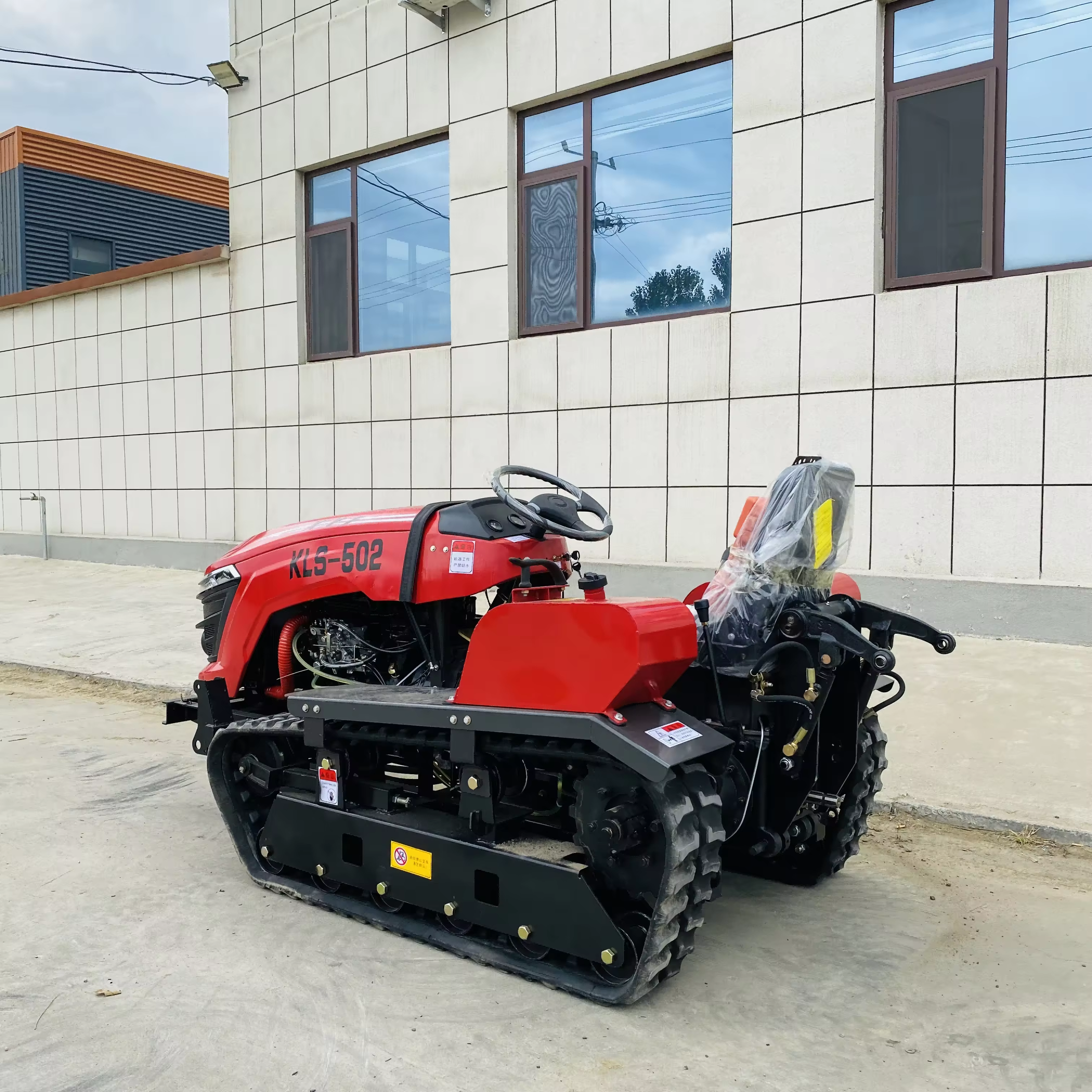
Introduction: Understanding the Tractor Market Landscape
The agricultural machinery sector plays a pivotal role in modern farming, directly influencing operational efficiency, labor requirements, and overall profitability. Among the most essential pieces of equipment, tractors are the backbone of agricultural operations. For farm owners and investors, understanding the average tractor price is crucial for budget planning and long-term ROI.
Globally, the demand for tractors is rising due to the increasing mechanization of agriculture, particularly in emerging markets. Farmers are seeking equipment that balances power, efficiency, and durability. Tractors serve multiple functions—from soil preparation and planting to transportation and field maintenance—making them central to productivity. According to recent industry data, farms that invest in reliable tractors see up to a 25% increase in operational efficiency compared to those using outdated or underpowered machinery.
Shandong Nuote Machinery Co., Ltd. has been at the forefront of providing tractors that integrate high-performance engineering with cost efficiency. Our machines are designed for versatility, durability, and adaptability across various farming operations. Understanding the average tractor price helps agricultural investors make informed decisions, balancing the need for high-quality machinery with budget constraints. A well-chosen tractor not only ensures operational continuity but also minimizes long-term maintenance costs, improves fuel efficiency, and maximizes the utilization of tractor implements.
In this analysis, we will examine the key features of modern tractors, explore the factors influencing the average tractor price, and provide insights on how this investment impacts overall agricultural productivity.
Product Features: High-Performance Tractors for Optimal Efficiency
Tractors from Shandong Nuote Machinery Co., Ltd. are engineered to meet the demands of modern agriculture, combining durability, efficiency, and operator comfort. A deeper understanding of these features highlights why the average tractor price is more than just a cost—it reflects quality, reliability, and operational potential.
One of the core features is the transmission system with oil cooler, which maintains optimal performance during prolonged heavy-duty operations. Continuous high-load tasks such as plowing, harvesting, or towing require the gearbox to operate efficiently without overheating. The oil cooler ensures temperature regulation, prolonging the life of the transmission and maintaining consistent performance across varying workloads.
Another key aspect is the power take-off (PTO) and transfer case system that offers multiple drive modes. Whether a farmer needs two-wheel drive for light fieldwork or four-wheel drive for challenging terrain, the transfer case allows quick adjustment without compromising power delivery. This versatility ensures tractors can handle different soil types, weather conditions, and farming tasks efficiently.
Safety and maintenance are also priorities. Tractors feature a battery disconnect switch, which provides security during long-term storage and simplifies maintenance procedures. This function prevents accidental battery drainage, reduces electrical hazards, and ensures readiness for operation when needed.
Additional features include ergonomic cabin designs, high-capacity fuel tanks, and robust hydraulic systems. These elements contribute to operator comfort, reduced fatigue, and high efficiency, all of which justify the average tractor price and its direct relation to productivity. By investing in tractors with these advanced features, farms minimize downtime, maximize efficiency, and secure a longer service life, ultimately leading to a higher return on investment.
Average Tractor Price: Factors and Implications
Understanding the average tractor price is essential for farmers, investors, and agricultural managers when planning equipment procurement. Prices vary significantly depending on tractor size, horsepower, brand reputation, technological integration, and after-sales support. Small compact tractors designed for horticulture or small-scale farming often fall in the lower price range, while high-horsepower tractors equipped for heavy-duty operations command premium prices.
One major factor affecting the average tractor price is engine power and fuel efficiency. Tractors with high-output engines capable of handling extensive workloads are priced higher due to the cost of engineering, materials, and compliance with emission regulations. For example, a 100–150 HP tractor suitable for large-scale farms costs more than a 30–50 HP utility tractor designed for orchard work.
Technological advancements also play a role. Features such as GPS-assisted navigation, automated power management systems, and precision hydraulics increase operational efficiency but also contribute to higher prices. Buyers need to understand that a slightly higher average tractor price often translates to lower operating costs and improved productivity in the long term.
Another determinant is market factors and supply chain considerations. Imported components, quality control standards, and production scale influence costs. In China, manufacturers like Shandong Nuote Machinery Co., Ltd. leverage mature supply chains and economies of scale to offer tractors at competitive average tractor prices without sacrificing quality. This provides a significant advantage for global buyers seeking cost-effective, high-quality machinery.
Investors must also consider operational and maintenance costs. Cheaper tractors may have a lower upfront average tractor price, but frequent repairs, high fuel consumption, or shorter service life can offset initial savings. Conversely, investing in a mid-range tractor with robust features can reduce maintenance costs, improve reliability, and enhance operational efficiency, offering a better total cost of ownership.
By understanding these factors, buyers can accurately assess the average tractor price in relation to their agricultural objectives. Market research, comparison of supplier offerings, and evaluating features relative to farm size and workload are essential steps to maximize ROI.
Investment Impact: Linking Tractor Price to Agricultural Productivity
The average tractor price directly influences agricultural investment decisions, impacting productivity, labor efficiency, and overall profitability. Tractors are long-term investments; their purchase affects operational budgets, cash flow, and resource allocation. Selecting tractors that balance price, performance, and durability ensures that farms achieve maximum output per unit of investment.
High-quality tractors reduce downtime, optimize fuel usage, and extend implement compatibility, all contributing to enhanced efficiency. Farms investing in tractors with superior features see measurable improvements in yield, timeliness of operations, and labor cost reductions. For instance, modern tractors equipped with optimized hydraulic and PTO systems handle heavy implements with minimal operator effort, reducing fatigue and allowing longer operational hours.
Additionally, understanding the average tractor price helps farm managers forecast maintenance budgets, evaluate financing options, and plan for future upgrades. Investing wisely ensures that the tractor remains a reliable asset across multiple seasons, ultimately delivering higher returns and minimizing the risk associated with equipment failure.
In conclusion, the average tractor price is not merely a financial figure—it is a strategic metric that informs procurement, operational planning, and long-term agricultural success. Partnering with reliable manufacturers like Shandong Nuote Machinery Co., Ltd. ensures access to durable, efficient, and cost-effective tractors that align with the evolving needs of modern agriculture.