Different Types of Forklifts Comprehensive Guide Uses

All Categories

Get a Free Quote

Our representative will contact you soon.
Email
Name
Mobile
Company Name
Message
0/1000
Different Types of Forklifts A Guide to Matching Machine to Mission

Different Types of Forklifts A Guide to Matching Machine to Mission

Navigating the diverse world of material handling equipment begins with understanding the different types of forklifts available, each engineered to excel in specific environments and tasks. From the ubiquitous counterbalance forklift that serves as a general workhorse to specialized machines like narrow-aisle reach trucks and rugged container handlers, selecting the correct type is fundamental to achieving operational efficiency, safety, and cost-effectiveness. This comprehensive guide explores the core categories, their unique operational principles, and ideal applications. Shandong Nuote Machinery, as a versatile manufacturer, designs and produces equipment across these key categories, ensuring businesses can source a tailored, high-performance solution that perfectly aligns with their unique logistical challenges, whether in a compact warehouse or a demanding outdoor yard.
Get A Quote

Strategic Benefits of Choosing the Right Forklift Type

Selecting the appropriate type of forklift from the many different types of forklifts available is a strategic decision that delivers measurable operational advantages. The correct machine optimizes workflow, maximizes facility space, enhances safety, and reduces the total cost of ownership. Using a specialized forklift for its intended application—such as a narrow-aisle model for high-density storage or a heavy-duty handler for port operations—unlocks levels of precision and productivity unattainable with a one-size-fits-all approach. This strategic alignment between equipment and task is the cornerstone of a modern, efficient material handling operation.

Maximized Storage Density and Space Utilization

Specialized forklifts like reach trucks and order pickers are designed to operate in very narrow aisles, allowing businesses to install taller, denser storage racking. This transforms what would be wasted aisle space into valuable storage capacity, significantly increasing the potential inventory within an existing facility footprint without the need for costly expansion.

Enhanced Safety for Specific Loads and Environments

Different forklift designs incorporate unique stability and handling features tailored to specific cargo. Side loaders, for instance, carry long or cumbersome loads like timber or metal beams within their wheelbase, providing a much lower center of gravity and exceptional stability, thereby drastically reducing the risk of tipping accidents and load shift during transport.

Superior Efficiency and Task Speed

Purpose-built forklifts complete their designated tasks much faster than adapted general-purpose models. A dedicated container handler moves shipping containers with a speed and precision a standard forklift cannot match. An electric pallet truck is far more efficient at moving pallets over short, flat distances. This targeted efficiency accelerates overall workflow and throughput.

Reduced Operational Costs and Equipment Damage

Using the wrong type of forklift for a task can lead to premature wear, frequent breakdowns, and potential damage to both the equipment and the load. Matching the machine to the mission ensures it operates within its design parameters, leading to lower maintenance costs, longer equipment life, and less product damage, all contributing to a healthier bottom line.

A Comprehensive Range to Meet Every Handling Challenge

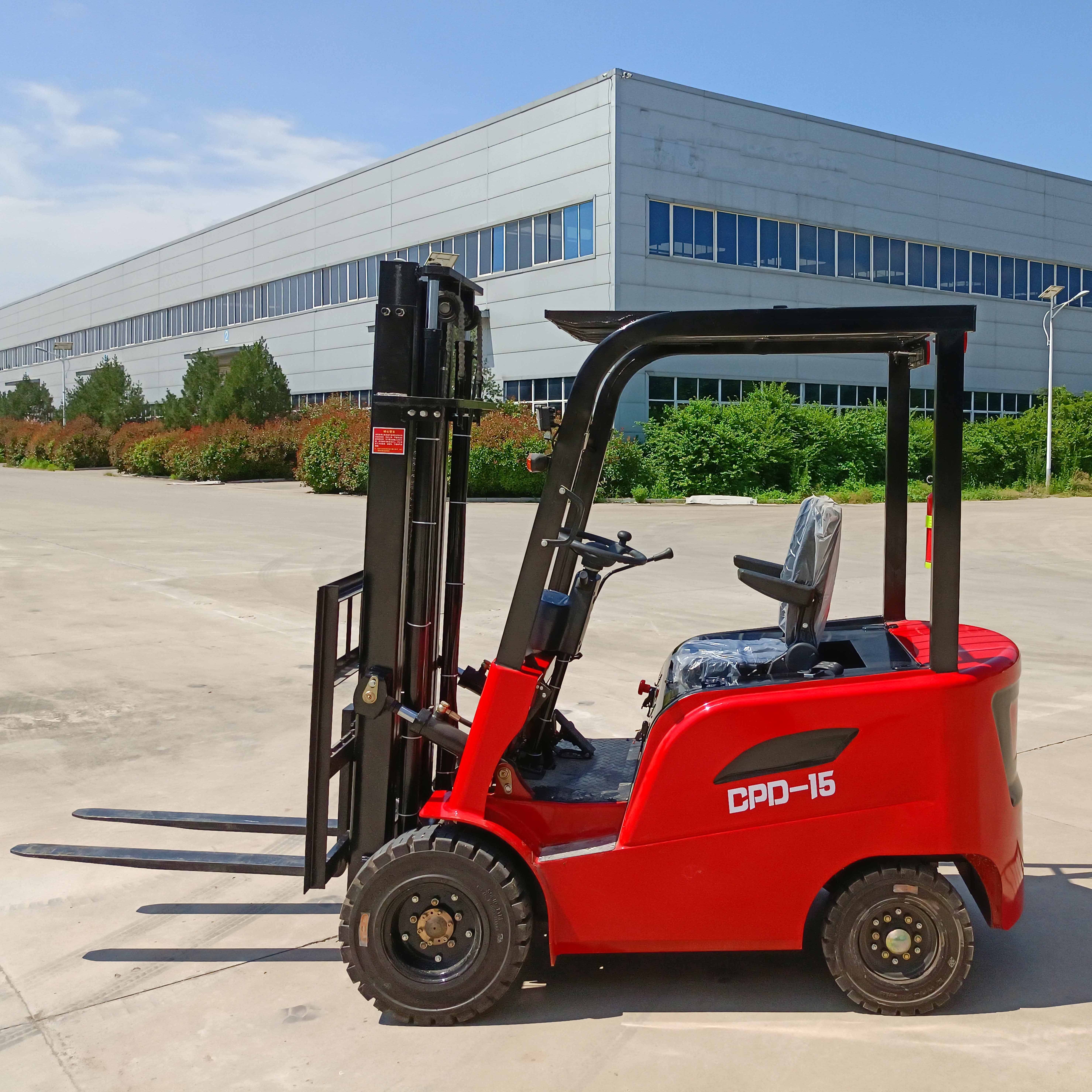
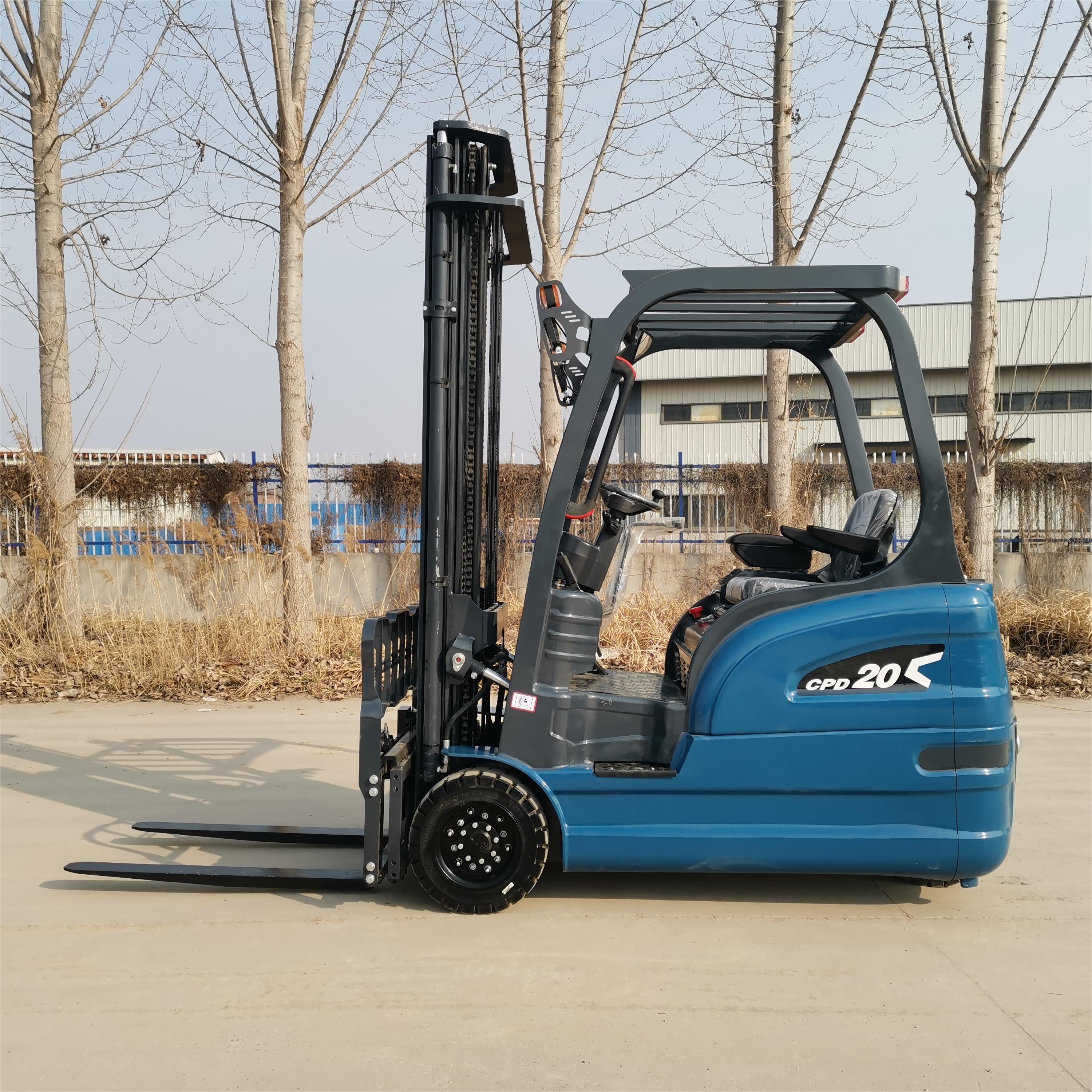
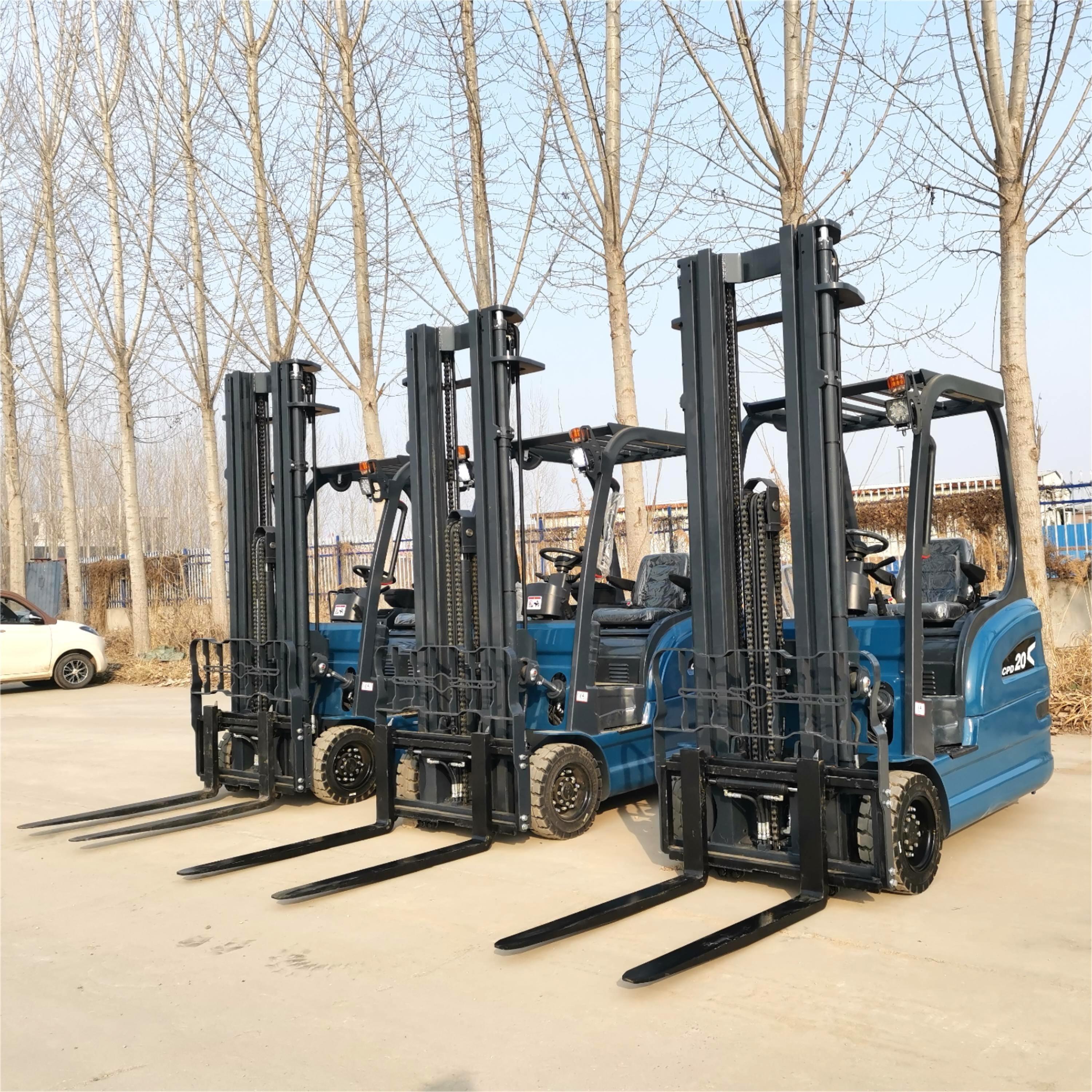
Shandong Nuote Machinery offers a product portfolio that directly addresses the spectrum of needs defined by the different types of forklifts. Our lineup includes essential counterbalance forklifts, agile three-wheel electric models for confined spaces, high-lift reach trucks, and powerful internal combustion engines for outdoor work. We also provide robust solutions for specialized sectors, including container handling and heavy-duty applications. Each product is developed with a deep understanding of its intended application, incorporating design features that maximize performance, safety, and ease of use in its target environment, ensuring you have the right tool for the job.

The universe of different types of forklifts is a testament to the engineering specialization required in modern industry. Each design represents a refined solution to a specific set of material handling challenges, moving beyond the basic function of lifting and carrying to address nuances of space, load characteristics, and operational tempo. Understanding these distinctions is not merely an academic exercise; it is a practical necessity for any business seeking to optimize its logistics, ensure workplace safety, and control operational costs. The evolution of these designs is driven by the relentless pursuit of efficiency, whether it's through maximizing storage density in a costly warehouse, improving safety when handling unstable loads, or enabling operations in unforgiving environments like construction sites or port terminals.

The application scenarios for these different types of forklifts are highly distinct and critical to their selection. A busy e-commerce fulfillment center, where speed and space are paramount, will rely heavily on narrow-aisle reach trucks and order pickers to access high-level storage quickly and safely. In contrast, a manufacturing floor with wider aisles might standardize on counterbalance forklifts for their versatility in moving loads from receiving to production lines. A steel stockholder or timber yard would be inefficient and unsafe without a side loader to manage long, heavy materials, while a port would grind to a halt without its fleet of massive container handlers. Furthermore, the choice between power sources—electric for indoor cleanliness and quiet operation versus internal combustion for outdoor power and endurance—adds another critical layer to the decision-making process.

Shandong Nuote Machinery leverages its broad manufacturing capabilities to serve this diverse and demanding market. Our company advantage lies in our ability to engineer and produce high-quality versions of several key forklift types, applying our core philosophy of robust and simplified design across the board. For instance, our three-wheel electric forklifts embody the agility and efficiency required for warehouse work, while our four-wheel electric and internal combustion models provide the power and stability of a classic counterbalance solution. We extend this expertise into heavier-duty applications. By controlling the manufacturing process, we ensure that each type of forklift we produce benefits from the same commitment to durability, ease of maintenance, and operator-focused design. This integrated approach allows us to act as a single, reliable source for businesses that require multiple types of forklifts to support their complex and varied operational needs.

Your Questions on Different Types of Forklifts Answered

What is the most common type of forklift, and is it always the right choice?

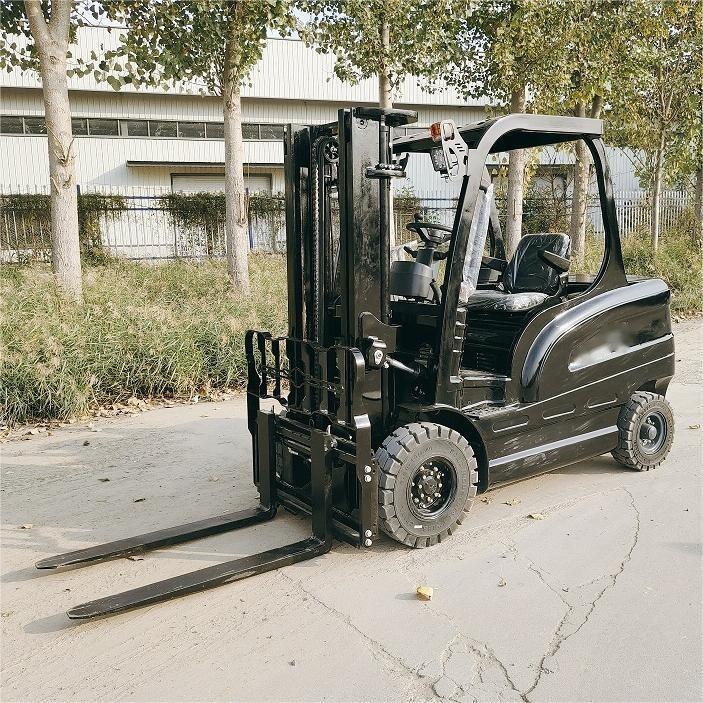
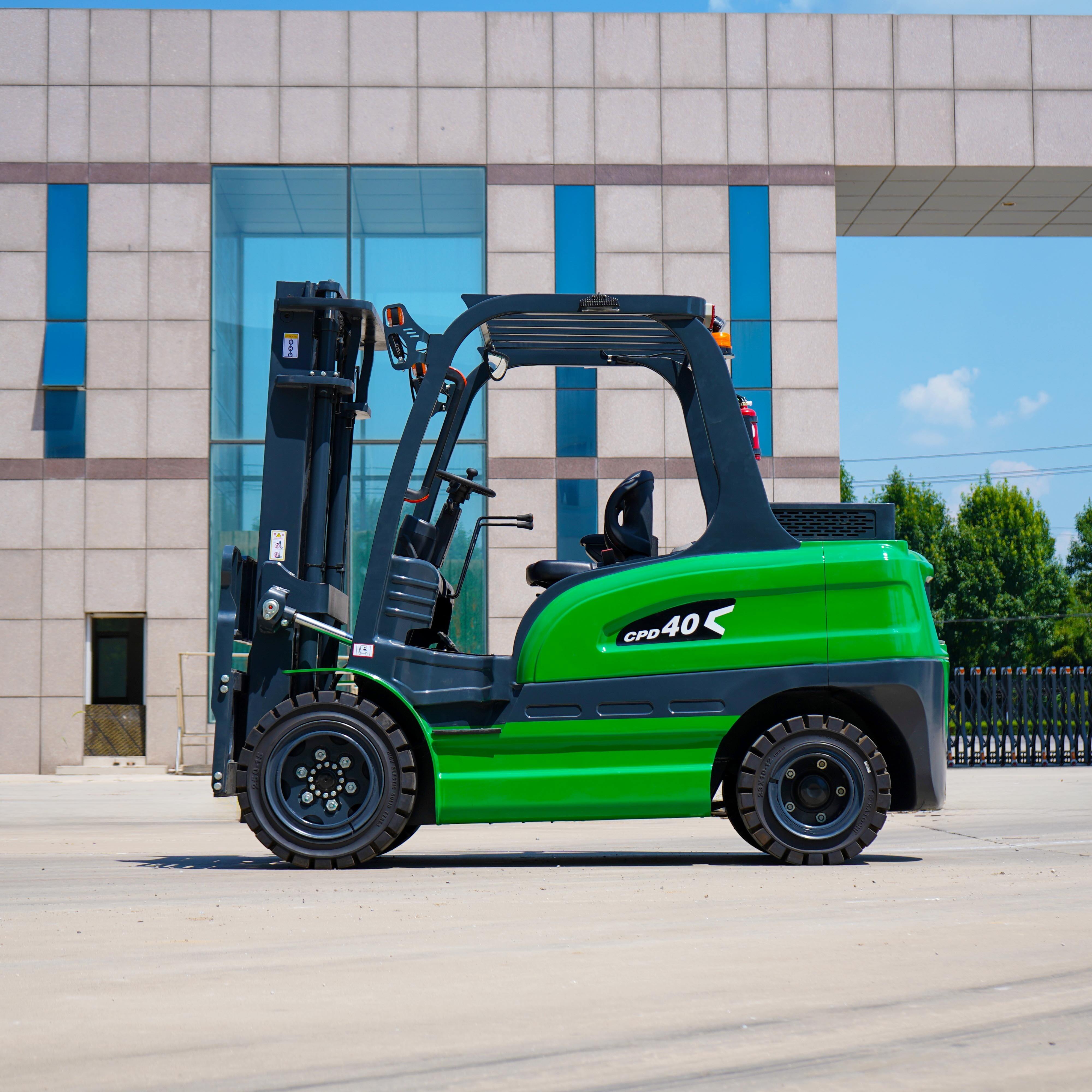
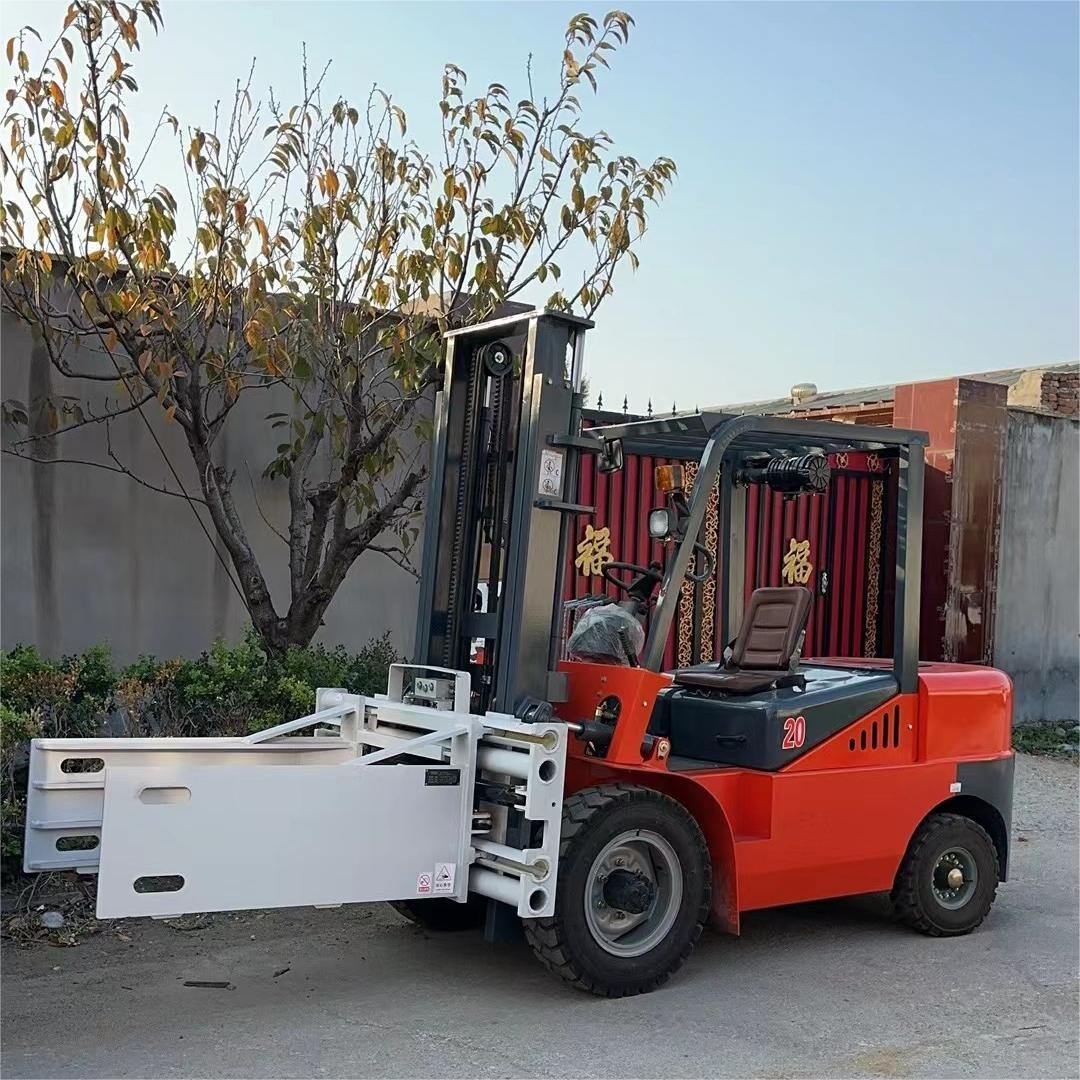
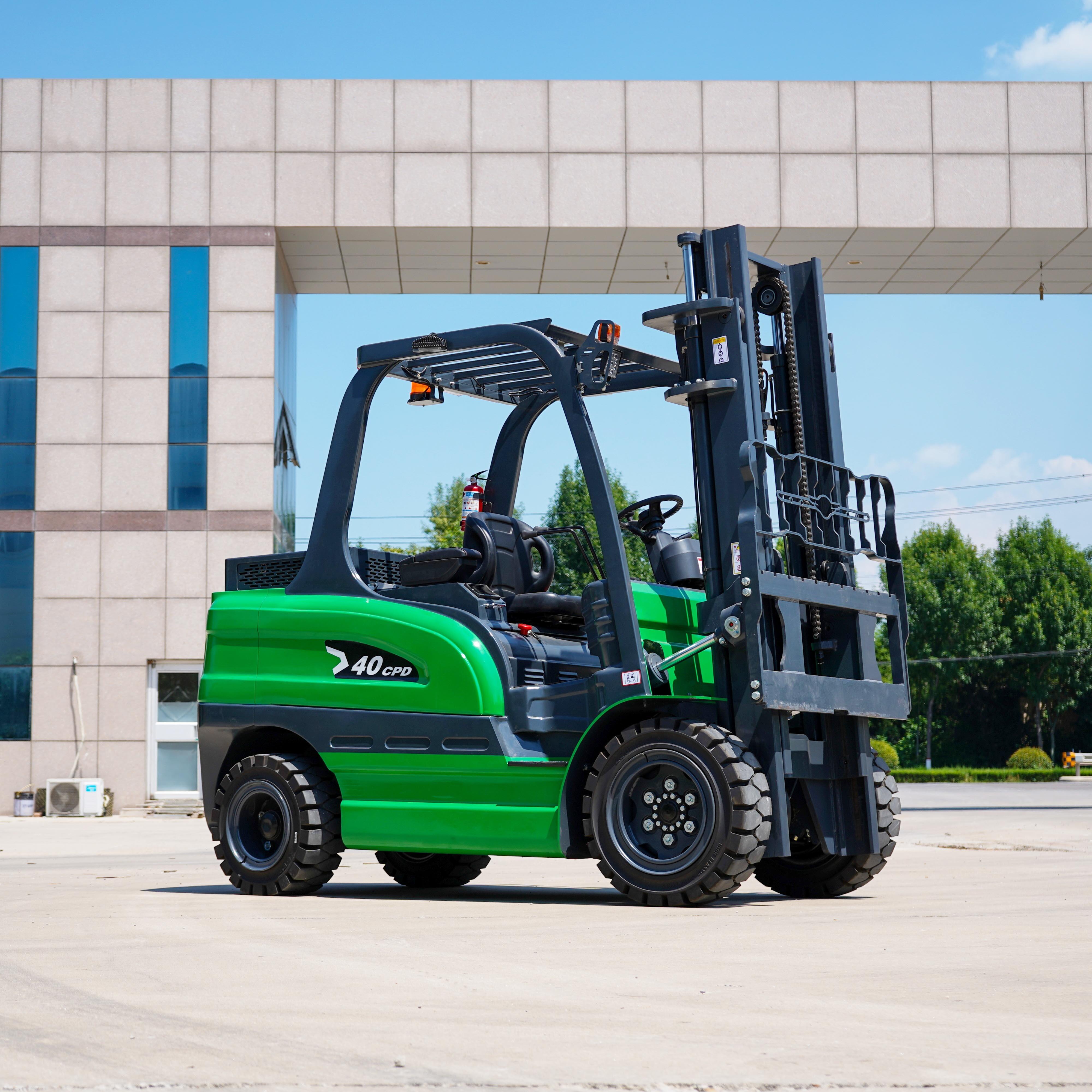
The most common and versatile type is the counterbalance forklift. Its simple design, with forks at the front and a counterweight at the rear, makes it a general-purpose workhorse suitable for a vast range of indoor and outdoor applications on firm, level surfaces. However, it is often not the right choice for specialized tasks. If your operations involve very narrow aisles, a reach truck is far more efficient. If you primarily handle long loads, a side loader is safer and more productive. The correct choice is determined by your specific aisle width, load dimensions, lift height requirements, and operating environment.
The decision is primarily driven by your operating environment and duty cycle. Electric forklifts are ideal for indoor use due to their zero emissions, quiet operation, and lower running costs. They are the preferred choice for most warehouse-specific types like reach trucks and order pickers. Internal combustion models (diesel, LPG) are better suited for intensive outdoor applications, especially on rough terrain, or for multi-shift operations where quick refueling is necessary. They offer more power for heavy loads but come with higher fuel costs, emissions, and maintenance needs.
While attachments can greatly enhance a forklift's versatility—for example, a clamp for handling drums or a rotator for dumping bins—they cannot fundamentally change the forklift's core design and limitations. You cannot make a counterbalance forklift operate like a true narrow-aisle reach truck, as it lacks the reaching mechanism and the compact dimensions for such tight spaces. Similarly, you cannot safely use a standard forklift with attachments to handle container-sized loads. Attachments solve specific load-handling problems, but the base type of forklift must be chosen to suit the fundamental operational environment and spatial constraints.

Related Articles

What to Look for When Choosing Tractor Companies for Agricultural Efficiency and Reliability

05

Dec

What to Look for When Choosing Tractor Companies for Agricultural Efficiency and Reliability

1. Introduction: The Role of Tractor Companies in Modern Agriculture In contemporary agriculture, tractors are the backbone of efficient farm operations, enabling farmers to perform a wide range of tasks from soil preparation to planting, fertilizing...
View More
What Is the Average Tractor Price and How Does It Impact Your Agricultural Investment?

05

Dec

What Is the Average Tractor Price and How Does It Impact Your Agricultural Investment?

Introduction: Understanding the Tractor Market Landscape The agricultural machinery sector plays a pivotal role in modern farming, directly influencing operational efficiency, labor requirements, and overall profitability. Among the most essential pi...
View More
What Are the Key Benefits of Using Small Excavators for Urban Construction Projects?

05

Dec

What Are the Key Benefits of Using Small Excavators for Urban Construction Projects?

1.Introduction Urban construction projects increasingly demand machinery that is compact, efficient, and versatile. Small excavators have emerged as a critical solution for contractors, offering the ability to perform a wide range of tasks in confine...
View More
What Are the 7 Different Types of Forklifts and Their Ideal Industrial Applications?

05

Dec

What Are the 7 Different Types of Forklifts and Their Ideal Industrial Applications?

Introduction In modern industrial operations, material handling efficiency directly impacts productivity, cost-effectiveness, and workplace safety. Selecting the right forklift type for specific tasks is critical for operational success. Companies of...
View More

Client Success Stories Across Various Forklift Types

Kevin Zhao

"We were using counterbalance forklifts in our warehouse and struggling with low storage density. After consulting with Shandong Nuote, we switched to their reach trucks. The transformation has been incredible. We were able to install much taller, narrower racking, increasing our storage capacity by over 40%. The operators found the Nuote reach trucks intuitive and stable, even at full height. The investment has dramatically improved our logistics efficiency and was a truly game-changing decision for our operation."

Mike Reynolds

"Our residential construction projects demand equipment that can handle mud, gravel, and uneven ground. The Nuote rough terrain forklifts have been a perfect fit. They provide the power and traction needed to lift pallets of blocks and roofing materials to the second story, and their durability in such a punishing environment has saved us time and money on rentals and repairs. It's a tough machine built for a tough job and has become a vital piece of our site equipment."

Chloe Bertrand

"Our metal fabrication business required a safe way to handle 12-meter long steel beams. Using standard forklifts was a significant safety hazard. The side loader from Nuote was the perfect answer. It carries the beams securely alongside the truck, providing incredible stability and allowing us to maneuver through our yard and factory with ease. The investment has not only improved safety but also doubled our handling efficiency for long materials, proving its value every single day."

Get a Free Quote

Our representative will contact you soon.
Email
Name
Mobile
Company Name
Message
0/1000
The Space-Saving Warehouse Specialist: Reach Trucks

The Space-Saving Warehouse Specialist: Reach Trucks

Reach trucks are the undisputed champions of high-density storage. Their unique design, featuring a pantograph mechanism that extends the forks forward into the racking, allows them to operate in aisles barely wider than the truck itself. This capability can increase storage capacity by up to 50% compared to layouts designed for counterbalance forklifts. With high lift heights and exceptional stability, they are indispensable in modern distribution centers where maximizing every cubic foot of space is directly tied to profitability.
The All-Terrain Workhorse: Rough Terrain Forklifts

The All-Terrain Workhorse: Rough Terrain Forklifts

When the work surface is unpaved, uneven, or soft, a rough terrain forklift is the only safe and effective choice. Equipped with large, deeply treaded pneumatic tires, a robust, high-clearance chassis, and often four-wheel drive, these machines are built to handle the challenges of construction sites, lumber yards, and agricultural settings. Typically powered by durable diesel engines, they provide the high torque and continuous operation needed to lift heavy loads in environments where a standard warehouse forklift would be ineffective and unsafe.
The Long-Load Logistics Solution: Side Loaders

The Long-Load Logistics Solution: Side Loaders

The side loader revolutionizes the handling of lengthy items like pipes, timber, or sheet metal. By carrying the load alongside its body within the wheelbase, it achieves exceptional stability and can navigate through standard-width aisles that would be impossible for a conventional forklift carrying the same load lengthwise. This design not only allows for much safer transport of cumbersome materials but also significantly reduces the risk of accidents caused by load swing or imbalance, making it a specialist in stability and efficiency for long loads.
The Port and Heavy-Duty Powerhouse: Container Handlers

The Port and Heavy-Duty Powerhouse: Container Handlers

At the top of the capacity scale, container handlers are engineered for one primary task: moving shipping containers. These massive machines feature specialized spreader attachments that lock onto the corners of containers and are capable of lifting loads weighing tens of tons to multiple stacked heights. Their towering presence, immense strength, and precise control systems are critical for the efficient operation of any port, intermodal yard, or logistics hub dealing with international sea freight, representing the pinnacle of heavy-duty material handling.
Newsletter
Please Leave A Message With Us