 EN
EN
Introduction
In modern industrial operations, material handling efficiency directly impacts productivity, cost-effectiveness, and workplace safety. Selecting the right forklift type for specific tasks is critical for operational success. Companies often face challenges in determining which forklift configuration best suits their industrial environment, especially when considering factors like load capacity, maneuverability, fuel type, and operational constraints.
Shandong Nuote Machinery Co., Ltd. offers a diverse range of forklifts tailored to meet these challenges. Understanding the 7 different types of forklifts can help project managers and logistics coordinators optimize workflow, minimize downtime, and maximize return on investment. Each forklift type is engineered to address distinct operational needs, whether it’s maneuvering in tight warehouse aisles, handling heavy outdoor loads, or operating in hazardous environments.
For industrial consultants, knowing the specifications, features, and ideal applications of these forklifts allows for informed decision-making when advising clients or designing material handling systems. Properly matching forklifts to tasks ensures safety, improves efficiency, and reduces unnecessary wear and maintenance costs. Furthermore, advanced engineering features like high-capacity hydraulic pumps, suspended drive units, and optional explosion-proof configurations provide enhanced operational reliability across varied conditions.
This article explores the 7 different types of forklifts, detailing their product characteristics, industrial applications, and how these machines contribute to efficient operations. By analyzing these forklifts through a project consultant’s perspective, we provide actionable insights for companies seeking to enhance warehouse, construction, and specialized industrial workflows.
The 7 Different Types of Forklifts
Understanding the 7 different types of forklifts helps companies align equipment capabilities with operational demands.
-
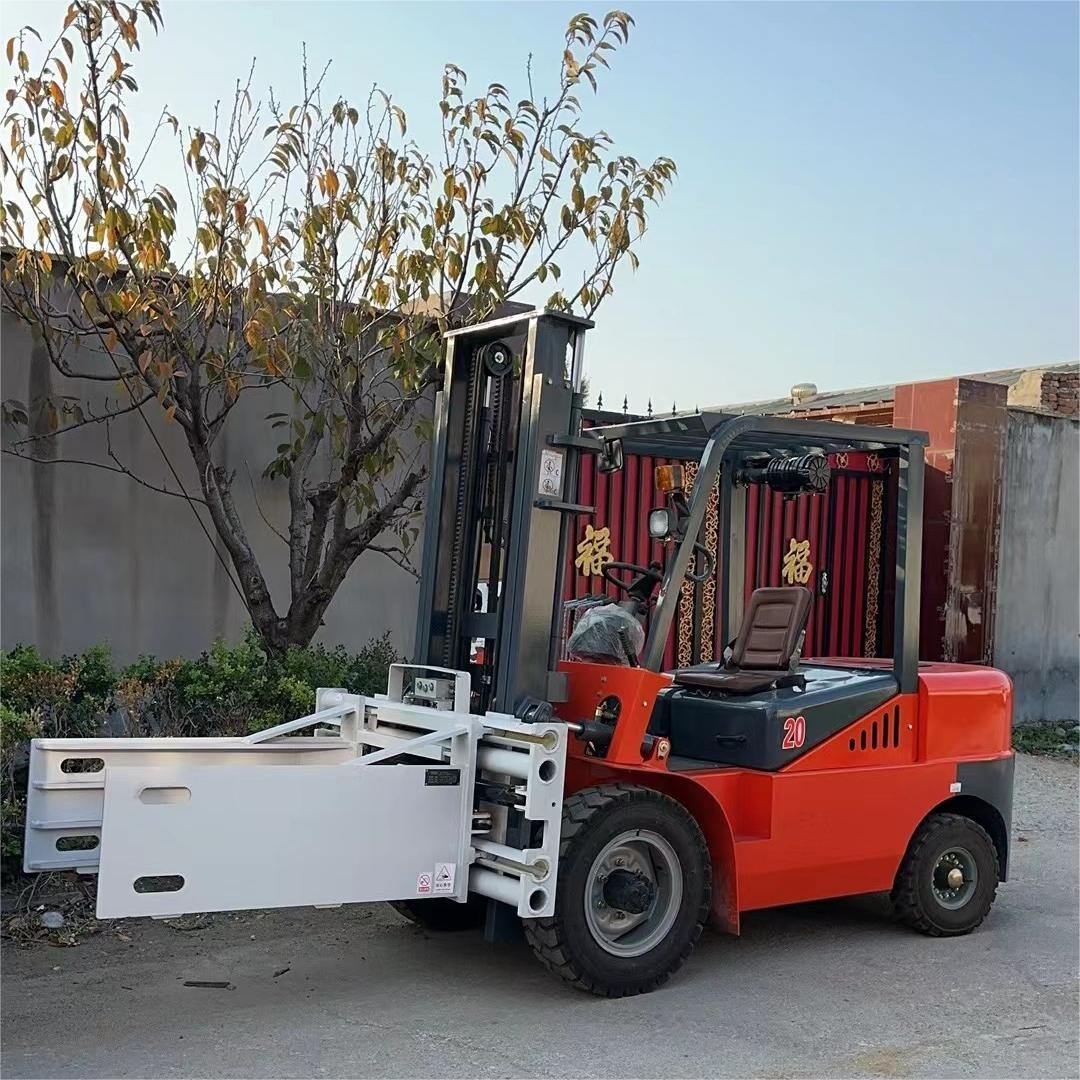
Counterbalance Forklifts: These are the most common forklifts, designed with the weight of the machine balancing the load on the forks. Ideal for loading docks, warehouses, and general material handling.
-
Reach Trucks: With an extendable mast, reach trucks are perfect for high-racking warehouses, enabling operators to access pallets in narrow aisles.
-
Pallet Jacks: Compact and maneuverable, pallet jacks are suited for low-level lifting and transporting goods over short distances in retail and storage facilities.
-
Order Pickers: These forklifts elevate operators to pick items directly from racking systems, streamlining order fulfillment in e-commerce and logistics operations.
-
Rough Terrain Forklifts: Equipped with large tires and robust suspension, these forklifts excel in outdoor construction sites and uneven terrain environments.
-
Telehandlers: Featuring extendable booms, telehandlers are used for lifting and placing materials at heights or distances unreachable by standard forklifts.
-
Electric Forklifts: Powered by batteries, electric forklifts are ideal for indoor applications requiring low emissions and minimal noise.
Across these 7 different types of forklifts, operational capabilities vary based on load capacity, maneuverability, and specialized attachments. Shandong Nuote Machinery Co., Ltd. ensures each type is optimized for safety, efficiency, and durability in their respective use cases.
Product Features
The 7 different types of forklifts share several advanced features that enhance operational efficiency and reliability:
-
Suspended Drive Units: Many models feature drive units with suspension systems, ensuring continuous wheel contact with the floor, improving traction, stability, and safety during operation.
-
High-Capacity Hydraulic Pumps: These pumps enable simultaneous operation of multiple attachments, such as fork extensions, clamps, or rotators, allowing for complex material handling tasks without compromising performance.
-
Explosion-Proof Options: Certain forklifts, particularly those designed for chemical or hazardous industrial environments, include explosion-proof configurations to safely handle flammable or volatile materials.
-
Ergonomic Operator Design: Adjustable steering, intuitive controls, and comfortable seating reduce operator fatigue, improving long-term productivity in intensive applications.
-
Energy Efficiency: Electric forklifts and hybrid models optimize power consumption, reducing operational costs while maintaining lifting performance.
-
Advanced Safety Systems: Automatic braking, load-sensing hydraulics, and real-time diagnostic systems provide early alerts to potential issues, minimizing downtime and preventing accidents.
These features ensure that across the 7 different types of forklifts, operators experience consistent performance, adaptability to diverse industrial conditions, and enhanced safety. Furthermore, maintenance efficiency is improved, with modular components and centralized lubrication systems reducing service times and overall cost of ownership.
Industrial Applications
Each of the 7 different types of forklifts is suited for distinct industrial applications:
-
Counterbalance Forklifts: Best for standard warehousing, dock operations, and medium-duty material handling.
-
Reach Trucks: Ideal for high-density storage, allowing efficient pallet access in narrow aisles.
-
Pallet Jacks: Perfect for retail and light industrial applications requiring quick pallet movement.
-
Order Pickers: Used in e-commerce, distribution centers, and inventory management for efficient picking.
-
Rough Terrain Forklifts: Optimal for construction sites, lumber yards, and outdoor projects with uneven terrain.
-
Telehandlers: Applied in construction, agriculture, and heavy industrial projects requiring material placement at height.
-
Electric Forklifts: Best suited for indoor operations in food processing, pharmaceutical, and cleanroom environments.
By evaluating the 7 different types of forklifts in the context of these industrial applications, companies can strategically select machines that maximize productivity, reduce operational risk, and optimize ROI. Shandong Nuote Machinery Co., Ltd. supports this by offering tailored solutions and customization to match operational needs with precise forklift capabilities.
Conclusion
Understanding the 7 different types of forklifts and their respective applications is crucial for operational efficiency in modern industrial settings. With advanced features, safety systems, and tailored applications, these forklifts help businesses optimize workflow, reduce costs, and improve workplace safety, establishing them as indispensable assets in material handling and industrial operations.