Complete Guide to Buying Diesel Forklifts for Industrial Applications

All Categories

Get a Free Quote

Our representative will contact you soon.
Email
Name
Mobile
Company Name
Message
0/1000
Strategic Guide to Buying Diesel Forklifts for Industrial Applications

Strategic Guide to Buying Diesel Forklifts for Industrial Applications

Making an informed decision when buying diesel forklifts requires careful consideration of multiple factors beyond initial purchase price. This comprehensive guide explores key selection criteria, total cost of ownership analysis, supplier evaluation methods, and operational requirements assessment to ensure your investment delivers optimal value. Learn how to match forklift specifications to your specific applications, evaluate durability features for long-term reliability, and establish productive partnerships with manufacturers that provide comprehensive after-sales support and technical services.
Get A Quote

4 Key Benefits of Strategic Diesel Forklift Procurement

Approaching diesel forklift acquisition with a strategic perspective delivers significant advantages that impact both immediate operational capabilities and long-term financial performance. Proper procurement practices ensure equipment matches application requirements, optimizes lifecycle costs, and supports business objectives through reliable material handling performance.

Optimal Equipment Specification Matching

Strategic procurement processes ensure the diesel forklifts you acquire precisely match your operational requirements and working environments. Thorough needs assessment identifies appropriate load capacities, mast configurations, tire types, and specialized features needed for your specific applications. This precision matching prevents both under-specification that compromises productivity and over-specification that increases unnecessary acquisition costs, delivering equipment perfectly aligned with your material handling challenges.

Enhanced Total Cost of Ownership Management

Beyond comparing purchase prices, strategic buying approaches evaluate comprehensive ownership costs including fuel consumption rates, maintenance requirements, parts availability, and projected resale values. This holistic financial perspective identifies equipment that delivers the lowest cost per operating hour over its service life. Understanding these long-term cost drivers enables smarter procurement decisions that maximize return on investment through reduced operational expenses and extended equipment longevity.

Superior Operational Reliability and Uptime

Purchasing from established manufacturers with proven reliability records ensures your diesel forklifts deliver consistent performance with minimal unexpected downtime. Comprehensive evaluation of component quality, engineering standards, and manufacturing processes identifies equipment built for durability in your specific operating conditions. This focus on inherent reliability protects your operations from disruptive breakdowns and maintains productivity through dependable equipment performance.

Comprehensive After-Sales Support Access

Strategic procurement establishes relationships with suppliers offering extensive support services including operator training, maintenance programs, and readily available parts inventories. This support infrastructure ensures your equipment receives proper care throughout its service life, maintaining performance standards and addressing issues promptly when they arise. The availability of professional technical support represents a critical advantage that protects your investment and maintains operational efficiency.

Diesel Forklift Selection for Various Applications

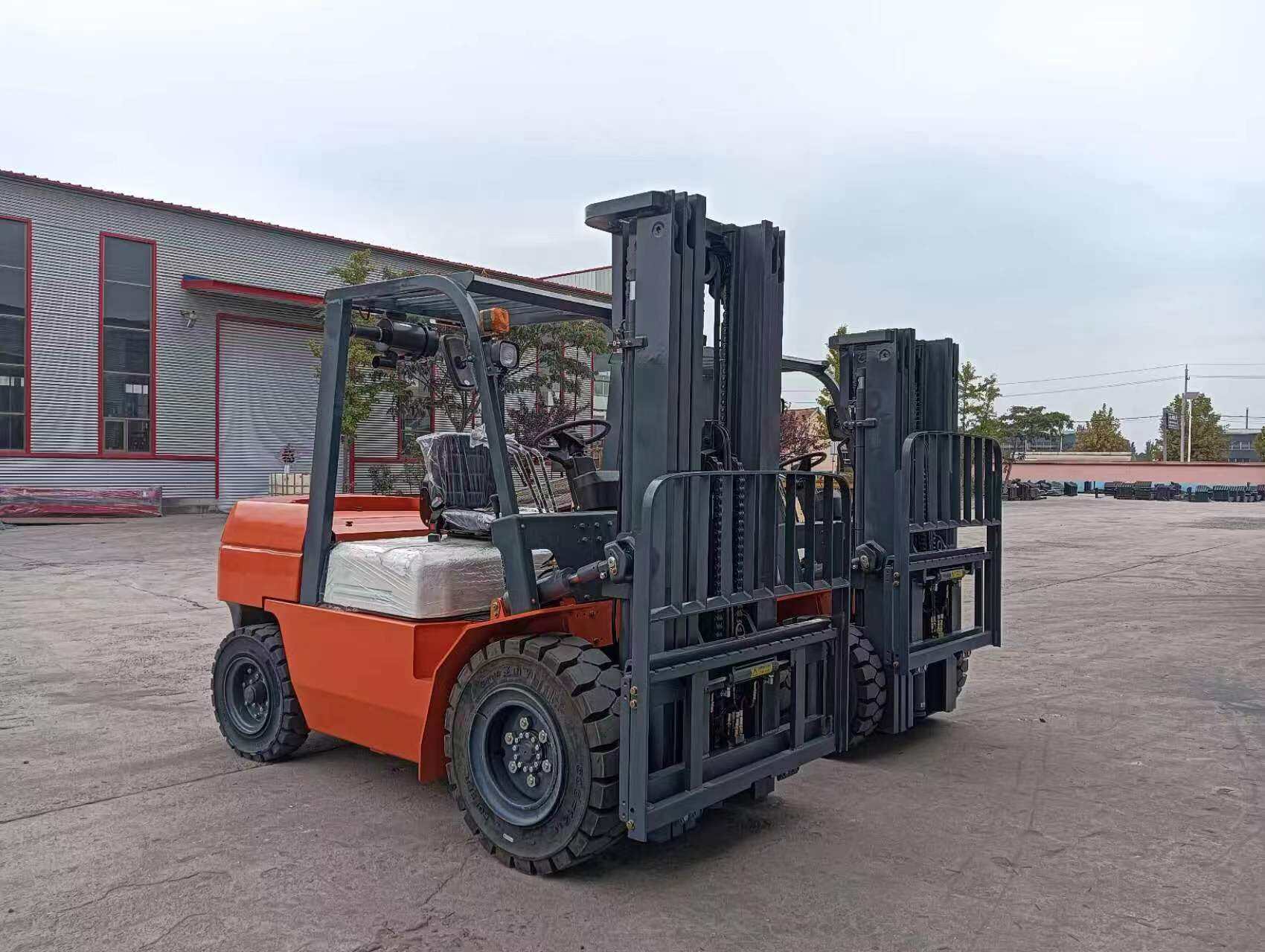
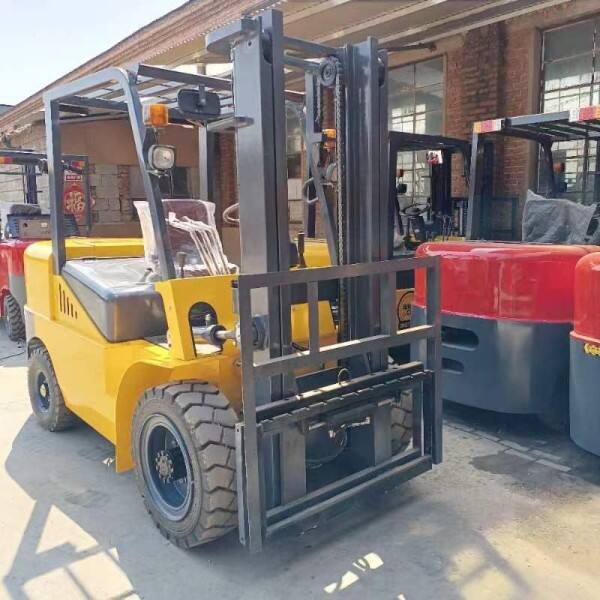
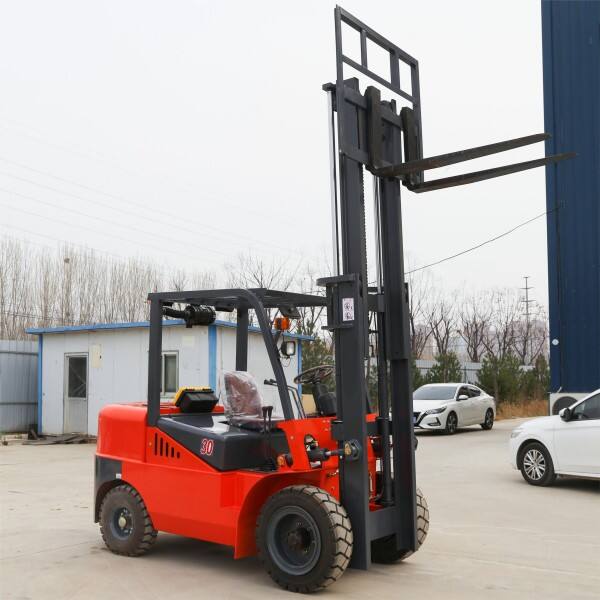
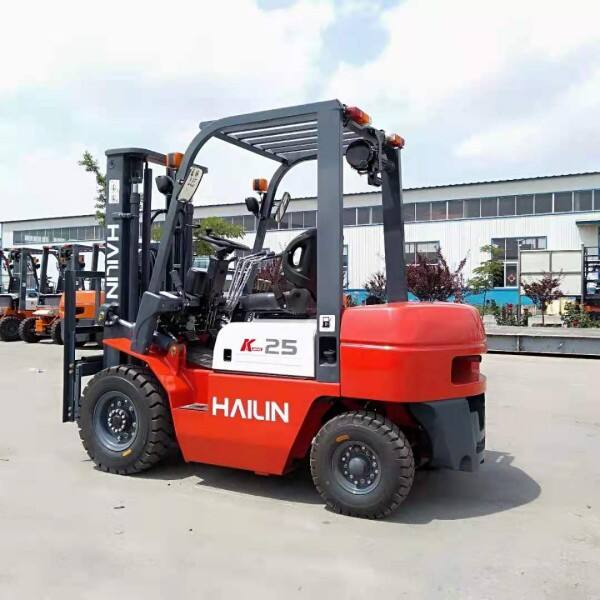
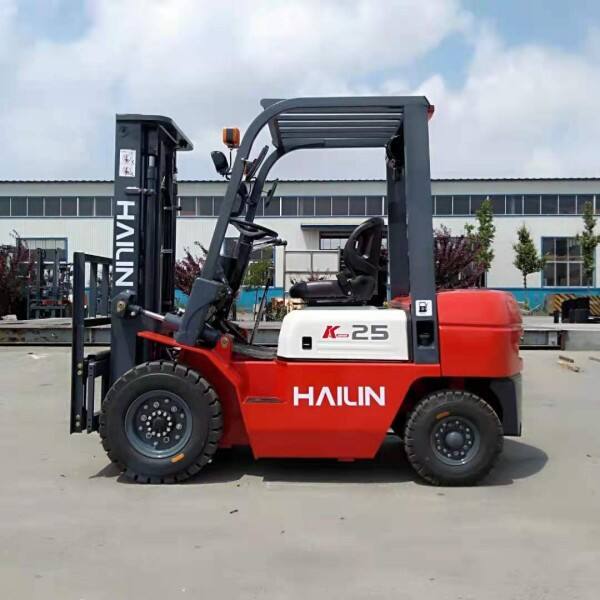
Choosing the right diesel forklift requires understanding different configurations and their suitability for specific operational environments. Our product range includes various models with different load capacities, mast types, and specialized features designed to address diverse material handling challenges. From compact warehouse models to heavy-duty outdoor equipment, each forklift incorporates engineering solutions that balance performance, durability, and operational efficiency while providing the rugged reliability that makes diesel power preferred for demanding applications.

The process of purchasing diesel forklifts represents a significant investment decision that impacts operational efficiency for years to come. While the initial purchase price naturally draws attention, experienced procurement professionals understand that the true value of material handling equipment reveals itself through years of reliable service, minimal downtime, and consistent performance under actual working conditions. A comprehensive acquisition approach must consider multiple dimensions including technical specifications, manufacturer capabilities, support services, and long-term operational costs that collectively determine the ultimate success of the investment.

Shandong Nuote Machinery Co., Ltd. supports customers throughout the equipment selection process with technical expertise developed through years of manufacturing industrial machinery. The company's methodology begins with thoroughly understanding each customer's specific operational challenges, including environmental conditions, load characteristics, operational intensity, and facility constraints. This application-focused perspective ensures recommended equipment matches real-world requirements rather than merely satisfying basic specifications. For businesses purchasing diesel forklifts, this guidance proves invaluable in navigating the complex balance between performance features, durability requirements, and budget considerations that characterize intelligent procurement decisions.

The financial analysis supporting diesel forklift acquisition has evolved significantly from simple price comparisons to sophisticated total cost of ownership modeling. Progressive businesses now evaluate fuel consumption data, projected maintenance expenses, parts pricing and availability, and anticipated resale values when comparing options. Diesel-powered equipment typically demonstrates advantages in several of these areas, particularly in applications involving outdoor operation, heavy loads, or extended work cycles. The inherent fuel efficiency of modern diesel engines, combined with their extended service intervals and renowned durability, often positions them as the most economically favorable solution despite potentially higher initial purchase prices compared to alternative power sources.

Operational considerations play an equally crucial role in purchasing decisions, with factors like supplier support capabilities, parts availability, and service response times significantly affecting equipment productivity. Establishing relationships with manufacturers that maintain comprehensive support infrastructure ensures purchased equipment receives proper maintenance and prompt attention when repairs become necessary. The availability of operator training programs, scheduled maintenance services, and emergency technical support represents critical elements that protect the productivity benefits driving equipment acquisition. These support services transform what would otherwise be a simple transaction into an ongoing partnership focused on maintaining operational efficiency throughout the equipment's service life.

Essential Questions When Buying Diesel Forklifts

Addressing key considerations during the procurement process ensures your diesel forklift investment delivers expected performance and operational benefits.

What specific factors should businesses prioritize when comparing different diesel forklift models?

Beyond basic specifications like load capacity and lift height, several critical factors demand attention during model evaluation. Engine performance characteristics including torque curves and power bands should match your typical operating patterns, with low-RPM torque being particularly important for applications involving frequent lifting and minimal travel. Build quality evidences itself through component selection, welding quality, and paint system durability, all indicating overall manufacturing standards. Service accessibility significantly impacts maintenance costs, with models featuring grouped service points and easy component access reducing labor time for routine maintenance. Operational features like mast visibility, control layout, and cabin comfort influence operator productivity and acceptance.
Manufacturer support capabilities represent one of the most significant factors in long-term equipment satisfaction and operational efficiency. Comprehensive support begins with application expertise that helps select appropriate equipment configurations for specific operational challenges. After purchase, operator training ensures proper equipment use that maximizes productivity while minimizing damage, while maintenance programs preserve equipment reliability and resale value. Parts availability directly impacts repair timelines, with extensive inventories preventing extended downtime. Technical support resources including factory-trained technicians and diagnostic equipment facilitate accurate problem identification and efficient resolution. These support elements collectively determine how effectively purchased equipment serves your operational needs, making manufacturer capabilities equally important as equipment features in the procurement decision process.
While purchase price naturally receives significant attention, several additional financial considerations profoundly impact total ownership costs. Fuel efficiency varies substantially between models and directly affects ongoing operating expenses, particularly in high-utilization applications. Maintenance requirements including service intervals, filter costs, and fluid capacities determine scheduled maintenance expenses, while component durability influences unexpected repair frequencies and costs. Parts availability and pricing affect both repair costs and equipment downtime expenses. Productivity differences between models impact labor efficiency and overall operational throughput. Finally, resale value preservation varies significantly between manufacturers and models, recovering different portions of the initial investment.

Related Articles

What Are the Latest Innovations Shaping the Future of the Excavator World?

05

Dec

What Are the Latest Innovations Shaping the Future of the Excavator World?

1. Background — why innovation matters in the excavator world The excavator world sits at the intersection of heavy engineering, digital control systems, and evolving end-user demands. Over recent decades, excavators have shifted from purely me...
View More
What to Look for When Choosing Excavator Companies for Large-Scale Construction Projects?

05

Dec

What to Look for When Choosing Excavator Companies for Large-Scale Construction Projects?

Selecting the right excavator partner for large-scale construction projects is a decision that directly impacts project efficiency, timelines, and overall costs. As a sales manager at Shandong Nuote Machinery Co., Ltd., I have observed that construct...
View More
Top 5 Skid Steer Loaders for Maximizing Efficiency on Construction Sites

05

Dec

Top 5 Skid Steer Loaders for Maximizing Efficiency on Construction Sites

1. Introduction In today’s construction industry, efficiency and versatility are critical factors for project success. Among compact machinery, skid steer loaders have emerged as indispensable tools for construction managers aiming to optimize ...
View More
What Are the Key Features of the Largest Excavator for Heavy-Duty Construction Projects?

05

Dec

What Are the Key Features of the Largest Excavator for Heavy-Duty Construction Projects?

Introduction – Product Background The construction industry has continuously evolved, demanding machines that can handle large-scale, heavy-duty operations efficiently. Among these, the largest excavator has emerged as a cornerstone of modern c...
View More

Customer Experiences with Diesel Forklift Procurement

Robert Jenkins

"After implementing a comprehensive evaluation process for our diesel forklift acquisition, we've achieved remarkable operational improvements. The detailed needs assessment identified specific features we hadn't considered important, particularly regarding mast visibility and hydraulic control precision. Working with a manufacturer that provided thorough application analysis ensured we acquired equipment perfectly matched to our operational requirements. The after-sales support has been exceptional, with responsive maintenance services and readily available parts maintaining our equipment availability above 98% despite intensive use across multiple shifts."

Amanda Chen

"Our previous approach to equipment procurement focused primarily on purchase price, resulting in higher-than-expected operating costs over time. For our recent diesel forklift acquisition, we implemented comprehensive lifecycle cost analysis that revealed significant differences in fuel efficiency and maintenance requirements between considered models. Selecting equipment based on total ownership costs rather than initial price has reduced our operating expenses by approximately 22% compared to our previous fleet. The manufacturer's support services have further enhanced this value through optimized maintenance scheduling and operator training that improved productivity."

Michael O'Connell

"Moving beyond transactional purchasing to establish a manufacturer partnership has transformed our material handling operations. The application expertise provided during the procurement process identified specialized attachments that dramatically improved efficiency in handling our particular products. The comprehensive operator training program reduced damage incidents by 65% in the first six months, while the scheduled maintenance services have prevented unexpected breakdowns during critical production periods. This partnership approach has delivered benefits far beyond the equipment capabilities alone, proving the value of considering support services during procurement decisions."

Get a Free Quote

Our representative will contact you soon.
Email
Name
Mobile
Company Name
Message
0/1000
Comprehensive Application Analysis and Needs Assessment

Comprehensive Application Analysis and Needs Assessment

Thorough evaluation of your operational requirements forms the foundation of successful diesel forklift procurement. This process examines factors including average and peak load weights, typical lift heights, facility aisle widths, surface conditions, and environmental exposures. Understanding these parameters ensures selected equipment possesses appropriate capabilities without unnecessary features that increase acquisition costs. For specialized applications involving cold storage, explosive atmospheres, or corrosive environments, identifying these requirements during the procurement process enables proper equipment specification that maintains reliability under challenging conditions. This detailed needs assessment prevents the common procurement error of under-specifying or over-specifying equipment, both of which negatively impact operational efficiency and financial performance.
Strategic Supplier Evaluation and Relationship Development

Strategic Supplier Evaluation and Relationship Development

Identifying manufacturers with established quality standards, reliable delivery capabilities, and comprehensive support services represents a critical step in the procurement process. Evaluation criteria should include manufacturing certifications, engineering capabilities, parts distribution networks, and technical support resources. Companies with integrated manufacturing processes typically maintain better quality control and more consistent product availability than those relying heavily on third-party components. Developing relationships with these manufacturers provides access to application expertise, customized solutions, and prioritized support that benefits your operations long after the initial purchase. This strategic approach to supplier selection transforms equipment procurement from a transaction into a partnership focused on your long-term operational success.
Lifecycle Cost Analysis and Financial Justification

Lifecycle Cost Analysis and Financial Justification

Sophisticated procurement approaches evaluate diesel forklifts based on total ownership costs rather than simply comparing purchase prices. This financial analysis incorporates fuel consumption rates, preventive maintenance requirements, projected repair costs, parts pricing, and anticipated resale values to determine true cost per operating hour. Diesel-powered equipment typically demonstrates advantages in several of these areas, particularly in high-utilization applications where fuel efficiency and durability deliver significant operational savings. Documenting these comprehensive cost calculations provides solid financial justification for procurement decisions and establishes realistic budgeting for the equipment's entire service life, preventing unexpected expenses that undermine operational financial performance.
Operational Integration Planning and Support Services

Operational Integration Planning and Support Services

Successful equipment acquisition extends beyond delivery to include comprehensive integration into your operations. This includes operator training programs that ensure proper equipment use, maintenance planning that preserves warranty coverage and optimizes service life, and performance monitoring that identifies issues before they cause operational disruptions. Manufacturers offering these support services help maximize the productivity benefits of your investment while minimizing unnecessary repair costs and downtime. The availability of responsive technical support, readily available parts, and scheduled maintenance programs represents a critical advantage that protects your operational efficiency throughout the equipment's service life, ensuring consistent performance that justifies the procurement decision.
Newsletter
Please Leave A Message With Us