 EN
EN
Selecting the right excavator partner for large-scale construction projects is a decision that directly impacts project efficiency, timelines, and overall costs. As a sales manager at Shandong Nuote Machinery Co., Ltd., I have observed that construction companies often underestimate the complexity of matching project demands with excavator capabilities and supplier expertise. Excavator companies today are not only expected to provide machines but also deliver tailored solutions, ongoing support, and value-added services that maximize productivity on-site.
The excavator market has evolved rapidly, with technological innovations and enhanced machine features redefining what buyers should expect. Construction companies now demand machines that are fuel-efficient, operator-friendly, and capable of performing in challenging environments while maintaining high reliability. Choosing the right excavator companies involves understanding not only machine specifications but also after-sales support, customization capabilities, and industry compliance.
When evaluating excavator companies, one must consider their market reputation, experience in handling projects of similar scale, and commitment to continuous improvement. Companies that offer strong technical support, easy access to spare parts, and flexible financing options generally provide better value. In addition, environmental compliance is becoming increasingly significant, especially in large-scale urban or infrastructure projects where emissions regulations are strict. Contractors must select excavator companies that adhere to these standards to avoid potential delays or penalties.
Another critical consideration is operator safety and comfort. Excavators with advanced ergonomic designs, low noise levels, and vibration-dampening features reduce fatigue and improve efficiency. Companies that supply machines equipped with modern control systems, like electronic hydraulic outputs (ePTO), offer operators better precision and energy efficiency, ultimately reducing fuel consumption and operational costs.
Key Product Features of Modern Excavators
When assessing excavator suppliers for large-scale projects, evaluating the machines’ core features is essential. At Shandong Nuote Machinery Co., Ltd., we focus on integrating advanced technologies into our machines to meet diverse project needs.
One of the most sought-after features is the electronic hydraulic output (ePTO) control system. This system enables precise manipulation of attachments and reduces unnecessary fuel usage, which is particularly critical in projects with extensive operational hours. Contractors looking for excavator companies should prioritize suppliers whose machines incorporate such advanced control systems, as these innovations translate directly into cost savings.
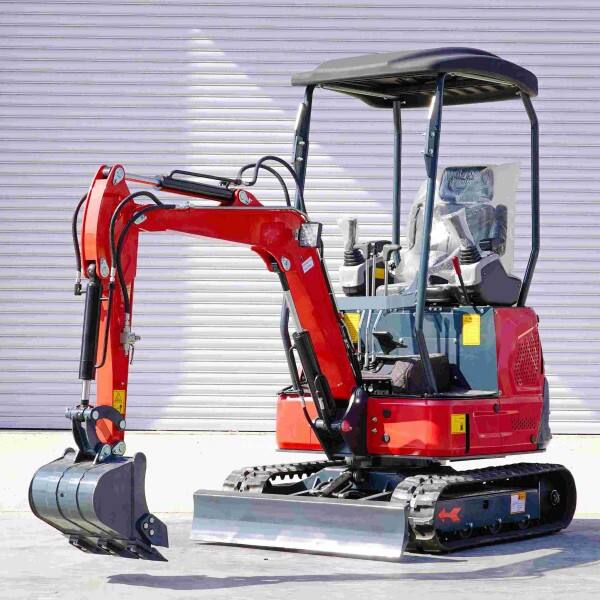
Cabin design is another area of focus. Modern excavators offer spacious interiors with noise insulation that allows operators to work comfortably for extended periods. The availability of adjustable aviation-style seats with suspension and armrests ensures operators experience minimal fatigue, maintaining productivity over long shifts. Suppliers providing these features indicate a commitment to operator well-being, which is often correlated with overall project efficiency.
Furthermore, versatile machines that support multiple attachments—such as breakers, grapples, and specialized buckets—enhance flexibility across different site conditions. Excavator companies that provide machines with standard quick-coupler systems allow contractors to switch tools quickly, reducing downtime and increasing output. Robust undercarriage systems, high lift capacities, and precise hydraulic systems are additional hallmarks of reliable excavators that large-scale projects require.
Considerations for Selecting Excavator Companies for Large-Scale Projects
Choosing the right excavator companies for large-scale construction is multifaceted. Contractors must evaluate supplier reliability, technical expertise, and the ability to provide machines that match project requirements.
Experience is paramount. Companies with a proven track record in handling projects of similar magnitude demonstrate the capacity to deliver machines and support under real-world pressures. Contractors should examine case studies, testimonials, and performance data provided by these excavator companies to ensure their machines can handle the anticipated workload.
After-sales service and maintenance support are equally critical. Excavators in large-scale projects often operate continuously, and downtime can be extremely costly. Suppliers offering comprehensive maintenance plans, rapid parts delivery, and on-site technical support provide a significant competitive advantage. Evaluating excavator companies based on service responsiveness and spare parts availability ensures that projects maintain their schedules without interruption.
Customization is another key factor. Large projects may require machines with specific attachments, cabin configurations, or operational features to suit unique site conditions. Contractors should select excavator companies capable of providing tailored solutions, from specialized hydraulic outputs to advanced control systems, ensuring that every machine is optimized for the project’s operational requirements.
Financial flexibility is also worth considering. Construction companies often prefer suppliers who offer leasing, financing, or bulk purchase discounts, reducing upfront capital investment. Transparency in pricing, warranties, and performance guarantees reflects the professionalism and reliability of excavator companies.
Customization Process for Excavator Projects
Once a suitable excavator company is selected, understanding the customization process can further enhance project efficiency. At Shandong Nuote Machinery Co., Ltd., our customization workflow is designed to balance precision with speed, ensuring clients receive machines tailored to their unique needs.
The process typically begins with a detailed consultation to understand the project scope, site conditions, and operational requirements. Key considerations include expected load capacities, terrain types, attachment preferences, and operational hours. These factors determine the selection of hydraulic systems, undercarriage types, and cabin configurations.
Next, the engineering team develops a machine configuration plan that integrates advanced technologies such as electronic hydraulic outputs (ePTO), adjustable suspension seating, and low-noise cabins. Contractors are involved in reviewing and approving the design to ensure the final product aligns with their expectations.
Prototypes or pilot units may be offered for testing in simulated environments, allowing operators to experience the machine and provide feedback. Adjustments can then be made before full-scale production. This collaborative approach ensures that the delivered excavators are both practical and optimized for large-scale project requirements.
Finally, the deployment phase includes operator training, on-site installation of any additional attachments, and technical support for integration into existing workflows. By following this structured customization process, excavator companies ensure that every machine contributes effectively to project success, reducing operational risk and maximizing efficiency.