 EN
EN
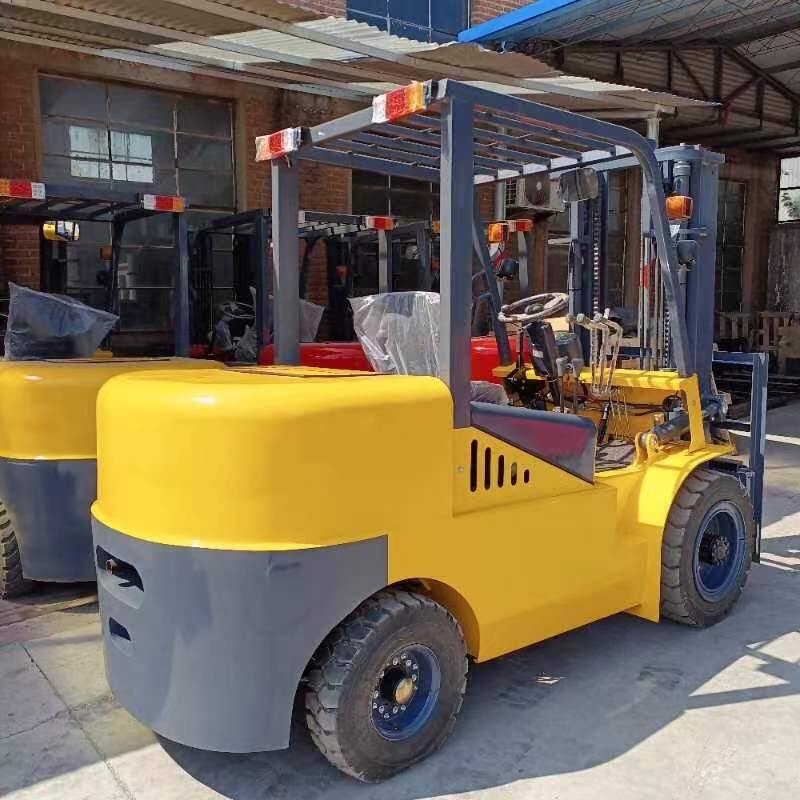
Selecting the right forklift manufacturers is a critical decision for industrial operations that rely on efficient material handling. From warehouses to manufacturing plants, forklifts are a core component of daily operations, affecting productivity, safety, and operational costs. As a project consultant, I have observed that choosing the right manufacturer can significantly influence fleet reliability and long-term return on investment. The global material handling equipment market continues to grow rapidly, driven by trends in e-commerce, manufacturing expansion, and supply chain optimization. According to market research, companies that partner with reliable forklift manufacturers experience reduced downtime, improved operator efficiency, and lower lifecycle costs.
Industrial operations demand forklifts that are tailored to specific tasks, including lifting capacity, warehouse layout, and operational speed. Not all manufacturers provide the same level of quality, technological integration, or after-sales service. Evaluating manufacturers requires more than reviewing technical specifications; it demands an understanding of their production processes, quality control measures, and commitment to customer support. By partnering with a reliable manufacturer, companies ensure that their forklifts meet safety standards, operate efficiently, and provide consistent performance in challenging environments.
Furthermore, industrial fleets are often expanded over several years, which means the initial choice of forklift manufacturers will affect not only current operations but also future fleet scalability. Suppliers who provide modular and customizable solutions allow operators to adapt to evolving industrial requirements without extensive downtime or costly retrofits. In addition, manufacturers that emphasize ergonomic designs, energy efficiency, and advanced control systems help reduce operator fatigue and enhance productivity, making them ideal partners for large-scale industrial operations.
Key Product Features to Consider
Modern forklifts have evolved into versatile machines equipped with advanced technologies. Understanding product capabilities is crucial when assessing forklift manufacturers. First, multi-stage mast options are vital for handling loads at various heights. High-rise warehouses require forklifts capable of lifting pallets to significant elevations while maintaining stability. Well-engineered masts improve lifting speed, precision, and safety, which is critical in dense industrial environments.
Second, integrated hydraulic attachment interfaces allow forklifts to operate multiple accessories efficiently. Attachments such as rotators, clamps, or fork extensions can be connected directly without complex retrofitting, reducing setup time and improving operational flexibility. This feature is especially important for companies managing diverse materials and requiring rapid adaptability on the floor. Third, ergonomic operation handles consolidate driving, lifting, and accessory controls into a single interface. Such designs reduce operator fatigue, shorten training periods, and minimize the risk of errors during complex maneuvers.
Other features to evaluate include drive systems, such as electric or diesel options, stability controls, and safety systems. High-performance braking, automatic speed control, and load-sensing technology ensure that forklifts operate reliably in various conditions. Some manufacturers also offer optional telematics systems for real-time monitoring of fleet performance, maintenance scheduling, and fault detection. By understanding these features, project managers can select forklift manufacturers that provide equipment tailored to operational demands, ensuring maximum efficiency and longevity.
How to Evaluate Forklift Manufacturers
Selecting the right forklift manufacturers extends beyond product specifications. A thorough evaluation process involves examining several critical areas. First, manufacturing quality is paramount. Reputable manufacturers adhere to international standards, use high-strength steel, employ precision welding techniques, and conduct rigorous quality control checks. These practices ensure forklifts maintain performance even under continuous heavy-duty usage.
Second, customization capability is essential. Industrial operations differ widely in terms of warehouse layout, load type, and operational procedures. Manufacturers that offer tailored solutions—such as specific mast heights, battery capacities, and hydraulic interfaces—enable businesses to optimize their operations efficiently. Third, technical support and after-sales services significantly influence long-term performance. Manufacturers that provide rapid spare part delivery, maintenance training, and remote diagnostics reduce downtime and enhance operational reliability.
Financial stability and transparency are also key considerations. Long-standing forklift manufacturers with clear pricing structures, warranty terms, and production timelines demonstrate reliability and reduce procurement risks. Additional factors such as third-party certifications, industry awards, and verified customer feedback provide further assurance of quality and reputation. By carefully evaluating these elements, companies can ensure that their chosen forklift manufacturers not only supply high-quality equipment but also offer dependable support and collaboration for fleet management.
Partnering for Bulk Production and Fleet Integration
Once suitable forklift manufacturers are identified, effective collaboration is essential for bulk procurement and fleet integration. Clear communication of operational requirements is critical. Drafting detailed procurement specifications, including mast types, hydraulic interfaces, engine or battery configurations, and control system preferences, ensures that all units meet operational standards consistently.
Long-term agreements with manufacturers can provide advantages such as preferential pricing, priority production, and dedicated technical support. Some manufacturers offer pilot testing programs or trial units to validate equipment performance under real operational conditions before committing to full-scale orders. This reduces the risk of misalignment between equipment capabilities and operational needs.
Integrating new forklifts into existing fleets requires additional planning. Fleet managers must consider maintenance schedules, operator training programs, and telematics or fleet management systems to ensure smooth operations. Regular performance reviews with manufacturers help identify areas for improvement, including potential upgrades, maintenance optimization, and productivity enhancements. Companies that establish strong partnerships with forklift manufacturers can optimize fleet performance, reduce operational costs, and ensure long-term reliability.
Furthermore, manufacturers who offer flexible production capabilities and customization options can support business growth by allowing fleets to expand as operational needs increase. This adaptability is particularly valuable for businesses anticipating scaling in warehouse size or material handling complexity. By carefully selecting and collaborating with the right forklift manufacturers, companies gain a competitive advantage through enhanced operational efficiency, safety, and return on investment.
In conclusion, selecting the right forklift manufacturers is a strategic decision that directly impacts operational efficiency, safety, and long-term ROI. By analyzing product features, evaluating manufacturer capabilities, and establishing strong collaboration for bulk procurement, industrial operators can ensure that their forklift fleets perform reliably and adapt to evolving operational needs. Companies like Shandong Nuote Machinery Co., Ltd. provide comprehensive solutions tailored to industrial applications, combining advanced technology, durability, and after-sales support to deliver maximum value over the equipment lifecycle.