 EN
EN

Introduction
Small-scale farming operations have undergone significant transformation over the past decade as agricultural producers shift toward higher efficiency, mechanized workflows, and multifunctional equipment. With land parcels becoming increasingly fragmented and labor pressure intensifying, farms operating between 1–20 hectares are seeking machinery that provides a balanced combination of reliability, manageable size, and operational versatility. Within this context, the compact 4x4 tractor has emerged as one of the most valuable assets for modern small farms. According to global agricultural equipment trend reports, demand for compact tractors continues to grow at an annual rate of 4–6%, driven primarily by small farms, orchard operations, greenhouse growers, and mixed-use landowners.
Unlike traditional full-size tractors designed for expansive farmland, a compact 4x4 tractor delivers scaled-down dimensions without sacrificing core power and torque requirements. This makes it especially suited for maneuvering in tight field conditions, inter-row cultivation, livestock area maintenance, and everyday operational logistics. As a project manager evaluating machinery investment for small-scale farms, the objective is to identify equipment that optimizes total productivity while maintaining cost-effectiveness and operator efficiency. In this regard, the compact 4x4 tractor offers one of the most practical solutions available today.
Background of Small-Scale Farming Operations
Small-scale farming operations have evolved significantly in recent years as agricultural producers adopt more efficient, mechanized systems to balance rising labor costs, land-use constraints, and increasing productivity expectations. According to the FAO, more than 90 percent of global farms operate on less than five hectares, underscoring the importance of flexible, affordable, and multi-functional equipment specifically designed for small-acreage environments. In this operating landscape, the compact 4x4 tractor has emerged as a critical asset for project managers overseeing land preparation, seeding, crop maintenance, and material handling.
Unlike traditional full-size agricultural machinery, a compact 4x4 tractor supports precision operations without requiring extensive space or high operating expenses. The compact design enhances maneuverability in orchards, greenhouses, vegetable plots, livestock facilities, and fragmented farmland commonly found in small-scale operations. Additionally, the increasing emphasis on sustainability and energy efficiency encourages farms to select equipment with reduced fuel consumption and lower emissions. As a result, many project managers now prioritize machinery that delivers high torque, stable traction, and reliable year-round performance while keeping lifetime ownership costs manageable.
The compact 4x4 tractor aligns exactly with these needs. Its ability to perform plowing, tilling, mowing, hauling, spraying, earthmoving, and PTO-driven tasks makes it an indispensable multi-purpose machine. For organizations such as Shandong Nuote Machinery Co., Ltd., which focuses on performance-driven agricultural solutions, the rising demand for compact equipment represents an opportunity to support farms transitioning toward modernized and more sustainable production systems. In this context, understanding the technical features and strategic benefits of a compact 4x4 tractor becomes essential for decision-makers tasked with optimizing small-scale farm productivity.
Key Product Features of the Compact 4x4 Tractor
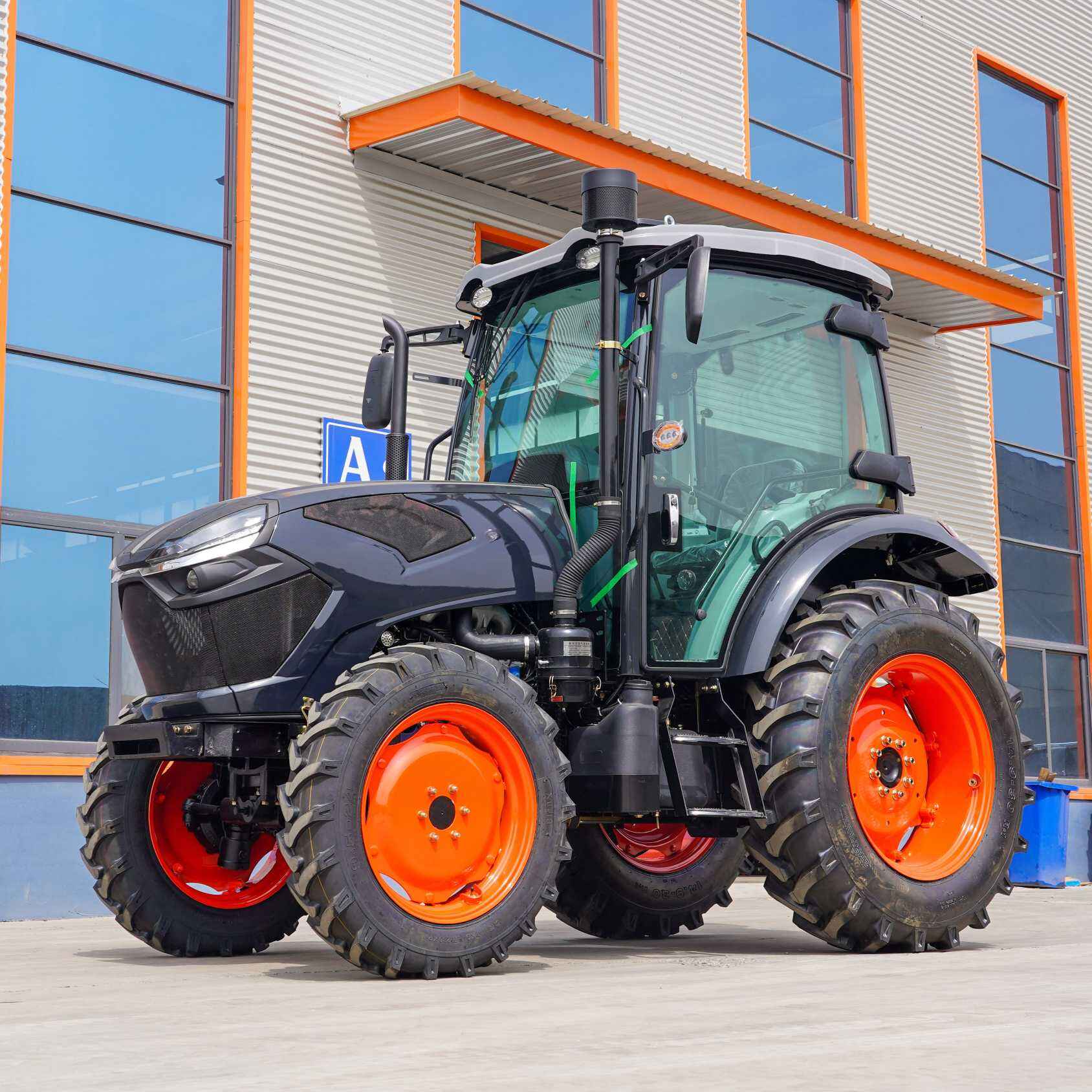
The compact 4x4 tractor integrates several technical characteristics that make it a suitable match for the operational needs of small-scale farming. Among its most critical components is the high-efficiency diesel engine, generally ranging between 20 and 40 horsepower. This power band offers sufficient torque reserves for heavy-duty field tasks while maintaining excellent fuel efficiency. For project managers focusing on total cost of ownership, the balance between output capacity and low fuel consumption ensures predictable and economically sustainable daily operations.
Another defining feature is the low-rpm, high-torque output profile. The compact 4x4 tractor generates strong pulling power at relatively low engine speeds, enabling consistent performance during demanding activities such as deep tillage, trailer hauling, or operating PTO attachments like rotovators, mowers, sprayers, and augers. This characteristic not only reduces mechanical strain but also enhances engine life and cuts down on increased fuel usage typical of higher-rpm systems.
Environmental compliance is also a fundamental advantage. The compact 4x4 tractor typically adheres to modern Tier 4 or equivalent emissions standards, incorporating advanced fuel injection systems and cleaner combustion technologies. This ensures reduced emissions, lower particulate output, and improved fuel atomization efficiency. For farms working in or near residential areas, environmentally responsible machinery contributes to regulatory compliance and enhances community compatibility.
Operational versatility remains another core design concept. A compact 4x4 tractor can be fitted with a wide selection of attachments, making it appropriate for multi-season agricultural cycles. The 4x4 drivetrain delivers stable traction on wet soil, uneven terrain, and low-friction surfaces, improving safety and minimizing slippage during fieldwork.
Additionally, ergonomics play a major role. Modern compact 4x4 tractor models prioritize user-friendly controls, comfortable seating, intuitive instrument layouts, and low vibration levels, allowing operators to maintain high productivity during extended work hours. These features collectively contribute to improved efficiency, reduced fatigue, and consistent output—attributes highly valued by project managers evaluating equipment for daily agricultural production.
Key Benefits of Using a Compact 4x4 Tractor for Small-Scale Farming
The adoption of a compact 4x4 tractor yields multiple operational, financial, and productivity benefits for small-scale farms. One of the primary advantages is enhanced maneuverability. The compact size and responsive steering allow operators to work efficiently within narrow rows, limited-space plots, and confined livestock areas where larger machinery cannot operate effectively. This capability is crucial for precision agriculture tasks, offering superior control and reduced risk of crop damage.
The four-wheel-drive system provides significant traction benefits, especially in diverse terrain conditions. Small-scale farms often work on mixed soil types—wet, sandy, clay-heavy, or uneven—where a compact 4x4 tractor demonstrates stability and strong power transfer. This drivetrain resiliency enables uninterrupted work even in early or late seasons when soil moisture levels are high.
Cost efficiency is a major deciding factor. The compact 4x4 tractor typically offers lower purchasing, maintenance, and operating costs compared with mid-range or large agricultural tractors. Fuel efficiency, easy maintenance access, and longer service intervals reduce lifetime operating expenses. For project managers responsible for budget allocation, this translates into better resource distribution and higher return on investment.
Task versatility represents another critical benefit. With the right attachments, a compact 4x4 tractor replaces multiple single-purpose machines. It can till land in the spring, mow fields during summer, haul materials year-round, and support snow removal or road maintenance tasks during off-season periods. This multi-functionality optimizes asset utilization and reduces the need for additional equipment.
Additionally, the compact 4x4 tractor excels in PTO-based operations. Many small farms rely heavily on PTO-driven tools, and the tractor’s low-rpm torque ensures consistent output, improved fuel use, and less wear on attachments. This becomes especially valuable when performing continuous-load work like irrigation pumping or feed processing.
Operator comfort also boosts work productivity. Modern compact 4x4 tractor configurations include vibration control systems, ergonomic seating, and intuitive control panels, which directly influence the efficiency and safety of daily operations. Reduced fatigue leads to fewer errors and improved task consistency.
Environmental sustainability is another major advantage. Meeting stringent Tier 4 or comparable emissions standards ensures that the compact 4x4 tractor produces fewer pollutants, consumes less fuel, and supports eco-friendly farming initiatives. This aligns well with the global shift toward green agricultural practices.
Ultimately, the compact 4x4 tractor combines affordability, power, versatility, and environmental responsibility—making it an indispensable asset for small-scale farms seeking reliable and cost-effective mechanization solutions.
How to Choose the Right 4x4 Tractor
Selecting the appropriate compact 4x4 tractor requires systematic evaluation based on operational scope, field conditions, and long-term productivity goals. Project managers should first define the farm’s primary tasks—such as tilling depths, load handling capacity, or PTO-driven operations—and match these requirements with horsepower, torque characteristics, and drivetrain performance.
Engine capacity and fuel efficiency must also be weighed carefully. A compact 4x4 tractor should provide adequate power while keeping fuel consumption sustainable. Project managers should also examine attachment compatibility, ensuring the tractor supports all intended implements required for multi-season work.
Durability and ease of maintenance are critical considerations. A high-quality compact 4x4 tractor will feature robust construction, accessible service points, and a reliable parts supply chain. After-sales support, including availability of spare parts and technical assistance, is equally essential for minimizing downtime.
Supplier reliability is another decisive factor. Manufacturers like Shandong Nuote Machinery Co., Ltd. that emphasize engineering quality, emissions compliance, and long-term equipment durability provide strategic advantages for small-scale farming operations.
Lastly, lifecycle cost analysis should guide the procurement decision. Project managers should evaluate the total cost of ownership, including fuel consumption, maintenance intervals, spare part availability, and operational efficiency. Choosing the right compact 4x4 tractor ultimately ensures sustained productivity, reduced operating costs, and improved overall farm performance.
Conclusion
A compact 4x4 tractor is one of the most valuable investments for small-scale farming operations, offering exceptional versatility, efficiency, and cost-effectiveness. With features such as low-speed high-torque output, fuel-efficient engines, and environmentally compliant designs, it significantly enhances day-to-day operational capability. For project managers focused on long-term productivity and reliable performance, the compact 4x4 tractor represents a practical and strategic solution for modern agriculture.