 EN
EN

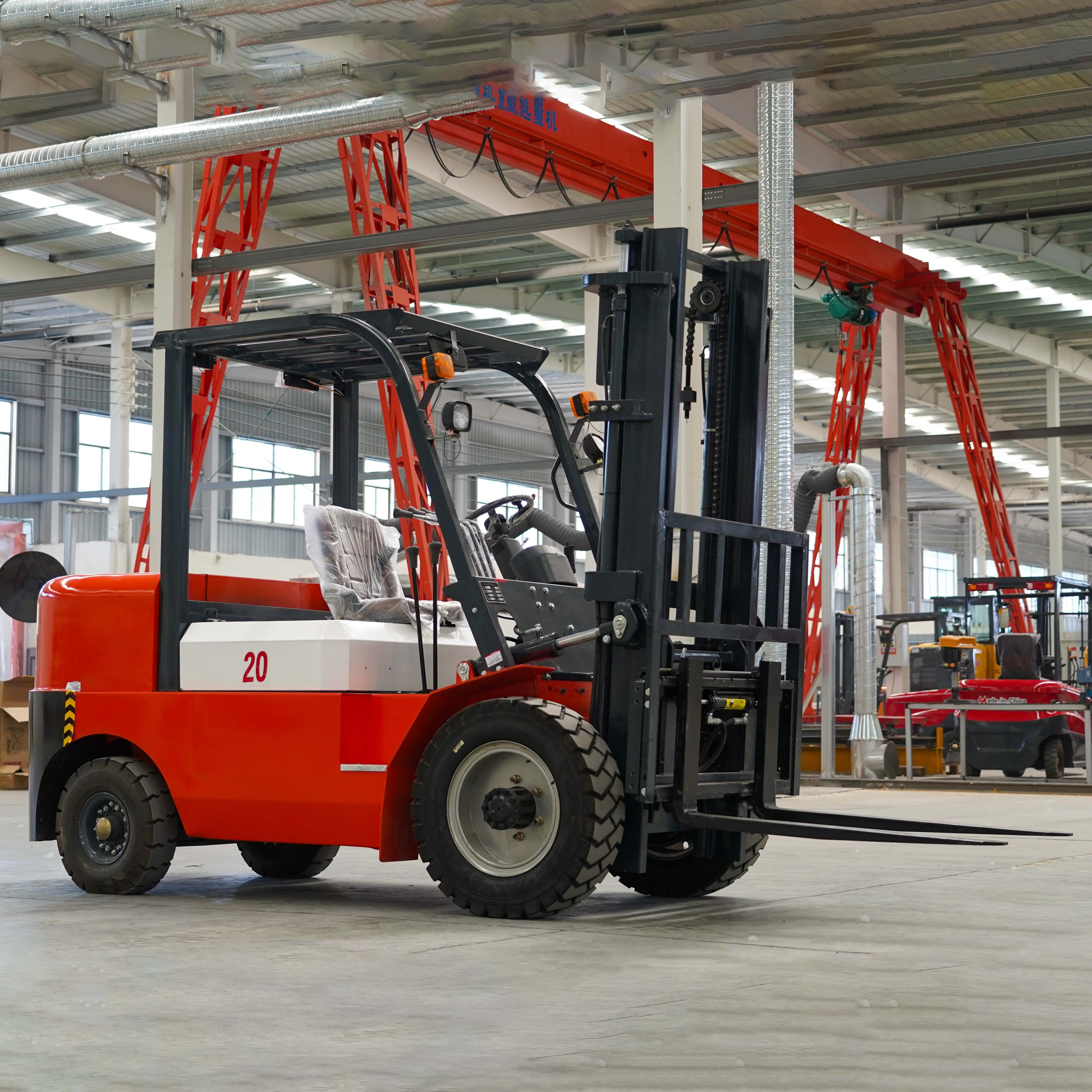
1. Product introduction — diesel for forklift in industrial contexts
Selecting the correct diesel for forklift operation is a fundamental engineering decision that affects performance, efficiency, and total lifecycle cost. In industrial environments—warehouses, yards, heavy manufacturing plants—diesel-powered forklifts are valued for torque, range between refuels, and robustness under continuous duty cycles. However, not all diesel fuels deliver identical combustion characteristics, lubricant properties, or contaminant profiles; the choice of diesel for forklift must therefore be matched to engine architecture, expected duty cycles, and ambient conditions.
From an engineering perspective, a diesel fuel suitable for forklift use must support steady power delivery during frequent load transients and long idling periods. The ideal diesel for forklift minimizes injector fouling, reduces soot generation, and helps maintain clean combustion chambers, which directly preserves fuel-system components and aftertreatment devices. For fleet managers and maintenance engineers, specifying the right diesel for forklift can reduce unplanned downtime and simplify predictive maintenance schedules.
Shandong Nuote Machinery Co., Ltd. designs diesel forklift platforms with features that interact closely with fuel characteristics: automatic corner-speed reduction for stability, integrated sensors for real-time system monitoring, and modular subsystems for low failure rates and convenient servicing. Together, these traits make the selection of diesel for forklift quality and specification a design consideration—one that influences engine calibration, emission control strategies, and service interval planning.
This document provides an engineer’s analysis of how fuel properties influence forklift efficiency and longevity, what fuel grades and additives to consider, and why disciplined fuel sourcing policies improve fleet performance when operating diesel forklifts in industrial applications.
2. Product features — how diesel-forklift design interacts with fuel
Understanding the interaction between diesel for forklift and machine features clarifies why fuel selection matters. Our diesel forklift designs include three notable elements—automatic corner deceleration, internal sensing arrays, and modular architecture—that each respond to fuel properties in specific ways.
First, automatic corner-speed reduction improves stability during directional changes. This control logic depends on predictable torque delivery from the engine. If the diesel for forklift has inconsistent cetane response or contains combustion inhibitors, transient torque dips can occur during acceleration or recovery from deceleration. Such torque variance forces the control system to work harder to maintain stability margins, increasing brake usage and component wear. Selecting a diesel for forklift fuel with stable ignition quality reduces control corrections and extends service life of brake and drivetrain components.
Second, integrated sensors monitor parameters such as rail pressure, exhaust temperature, and particulate loading. These sensors detect performance drift often caused by poor diesel for forklift quality—water contamination, microbial growth, or high sulfur levels. For instance, water and microbes accelerate injector corrosion and filter clogging; high sulfur increases sulfate particulates, burdening aftertreatment. Choosing a clean, low-contaminant diesel for forklift reduces false maintenance triggers and preserves sensor calibration accuracy.
Third, modular design simplifies maintenance but relies on predictable wear rates. The choice of diesel for forklift influences oil dilution frequency, injector service intervals, and particulate filter maintenance. A consistent high-quality diesel for forklift with controlled aromatic content and appropriate lubricity maintains engine oil integrity longer, thereby aligning with modular service cycles and lowering lifecycle costs.
In summary, fuel characteristics—cetane number, lubricity, sulfur and aromatic content, cold-flow properties, and contamination level—directly affect how features like automated stability control, embedded sensors, and modular components perform. Engineers and procurement teams must therefore treat diesel for forklift specification as an integral part of vehicle configuration and fleet maintenance planning.
3. Which diesel is suitable to improve forklift efficiency?
Choosing the optimal diesel for forklift requires balancing combustion quality, lubrication, cold-weather performance, and contaminant control. Below is a systematic evaluation of fuel attributes and practical recommendations for industrial forklift fleets.
Cetane number and ignition quality.
Cetane number measures fuel’s ignition delay—the higher the cetane, the quicker and cleaner the combustion. For diesel for forklift applications, especially under frequent load changes, a higher cetane grade reduces knock, lowers unburned hydrocarbons, and smooths torque delivery. Specifying a diesel for forklift with a cetane number appropriate to the engine manufacturer’s calibration improves fuel-economy and reduces particulate formation.
Lubricity and injector protection.
Modern high-pressure common-rail injectors rely on the fuel’s boundary-lubricating properties. A diesel for forklift with inadequate lubricity accelerates injector and pump wear. Look for fuels that meet or exceed recognized lubricity standards; consider fuels with manufacturer-approved lubricity additives to extend injector life and maintain efficient atomization—key to both performance and emissions.
Sulfur and aromatic content.
Low-sulfur fuels reduce sulfate particulate formation and protect aftertreatment systems. For diesel for forklift, low sulfur is essential to lengthen DPF (diesel particulate filter) life and to prevent acid corrosion. Likewise, lower aromatic content reduces soot. Specify diesel for forklift grades with controlled aromatic percentages to minimize soot tendencies during heavy cyclic loading.
Cold-flow properties and additives.
In colder climates, pour point and cold filter plugging point matter. A diesel for forklift with poor cold-flow properties causes waxing and filter blockages. Using winterized blends or fuels with pour point depressants ensures predictable starts and avoids fuel starvation. When selecting diesel for forklift, require winter grade specifications during cold months and confirm supplier winterization protocols.
Contamination control: water, microbes, and particulates.
Water in fuel promotes microbial growth and corrosion. Tank hygiene, regular fuel polishing, and specifying clean diesel for forklift deliveries (certified free water and particulate limits) are critical. Implement a fuel quality acceptance protocol—fuel sample tests for water content, insoluble particulates, and microbial indicators—before accepting bulk diesel for forklift deliveries.
Additives and performance enhancers.
Strategic use of additives can improve cetane, prevent microbial growth, enhance lubricity, and stabilize fuel during storage. For fleets using diesel for forklift, coordinate additive usage with engine makers to avoid warranty conflicts. Use diesel stabilizers for long-term storage and demulsifiers where water contamination is a risk.
Supply chain and specification enforcement.
Engineers must codify a fuel specification for diesel for forklift and enforce it through procurement contracts. This includes cetane range, sulfur limits, lubricity metrics, cold-flow requirements, and contamination tolerances. Regular testing, vendor audits, and contractual remedies for out-of-spec deliveries protect fleet performance.
In practice, a reliable specification might require a mid- to high-cetane, ultra-low-sulfur diesel with certified lubricity, supplemented by tailored additives in winter. For critical indoor operations with stringent emissions needs, consider fuels blended to enhance low-temperature combustion and reduce particulates. By insisting on consistent diesel for forklift quality and implementing tank management best practices, operators can materially improve fuel efficiency, reduce maintenance events, and stabilize forklift performance.
4. Why choosing quality diesel extends forklift life
High-quality diesel for forklift directly influences durability and lifecycle economics. From an engineering standpoint, fuel affects mechanical wear rates, thermal stress, and emission-control load—each of which determines long-term reliability.
Firstly, cleaner combustion reduces carbon and soot deposition in combustion chambers and on injectors. When using high-grade diesel for forklift, injector spray patterns remain intact longer, minimizing misfires and preserving power output. Reduced soot also prolongs DPF intervals and decreases backpressure that otherwise stresses turbochargers and pistons.
Secondly, superior lubricity preserves high-pressure pumps and injectors. A diesel for forklift with certified lubricity prevents micro-pitting and seizure in fuel pumps, reducing repair frequency. This lowers both parts and labor costs associated with fuel-system rebuilds.
Thirdly, consistent cold-flow performance prevents filter plugging and starvation events. A diesel for forklift that meets cold-flow specs ensures immediate start reliability and reduces abrasive wear from cold starts. For fleets subject to seasonal temperature swings, adherence to winterized diesel for forklift blends is a simple measure to protect longevity.
Finally, contamination avoidance prevents corrosion and microbial damage. A disciplined program to use certified diesel for forklift, maintain clean storage, and apply necessary biocides or filters protects tank internals and supply lines. Reduced contamination equates to fewer emergency repairs and longer service intervals.
In aggregate, investing in the right diesel for forklift pays dividends: improved fuel economy, lower unscheduled maintenance, extended component life, and predictable lifecycle costs. For engineering managers and procurement teams, specifying and enforcing a rigorous diesel for forklift policy is a high-impact, cost-effective measure to enhance fleet reliability and uptime.
Conclusion
Choosing the correct diesel for forklift is an engineering decision with operational, economic, and reliability consequences. By understanding fuel properties—cetane, lubricity, sulfur, cold-flow, and contamination—and integrating these requirements into procurement and tank management practices, industrial operators can maximize efficiency and extend equipment life. Shandong Nuote Machinery Co., Ltd. recommends formal fuel specifications, supplier certification, and routine testing as standard practice to ensure diesel-powered forklift fleets deliver consistent, long-term performance.