 EN
EN
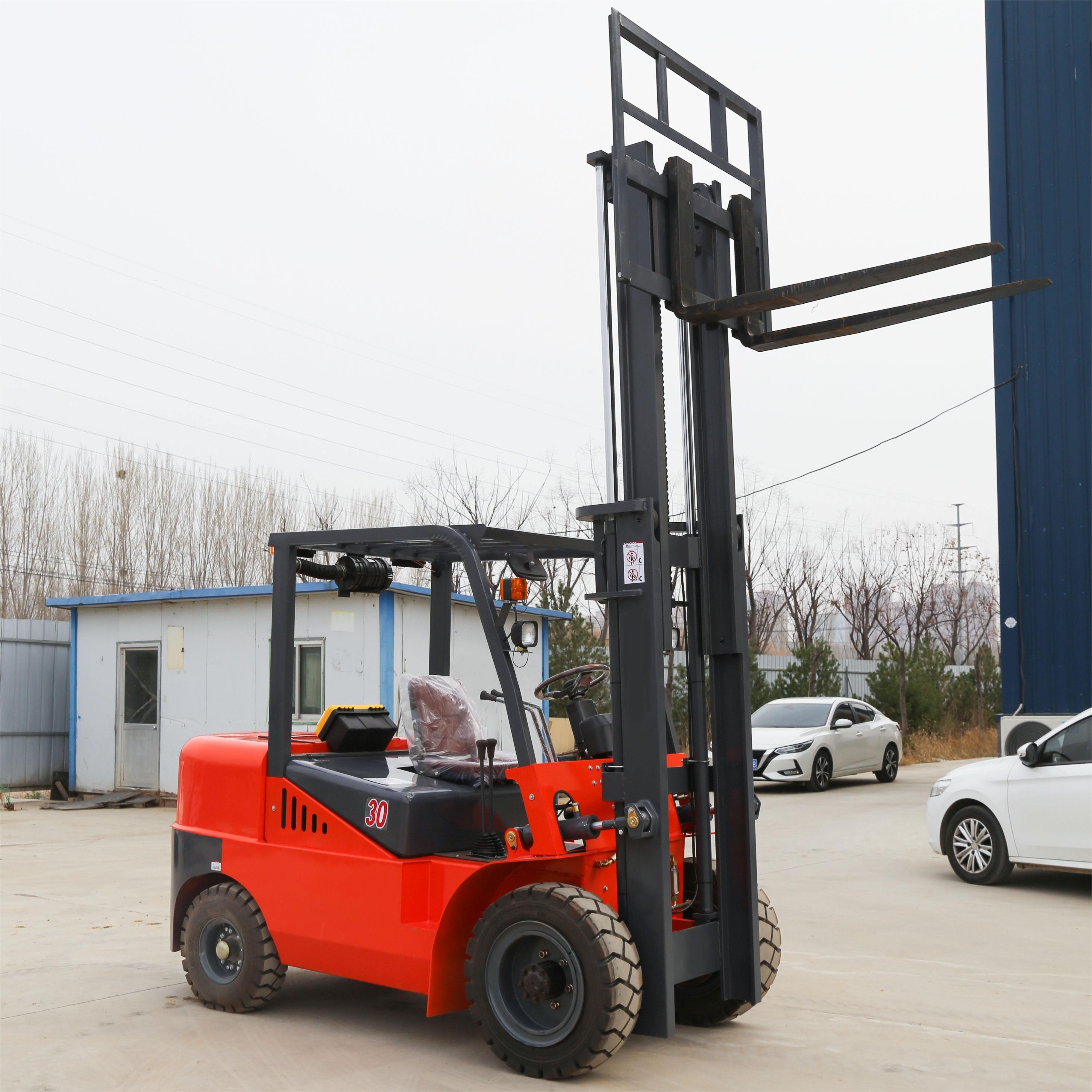
1. Introduction: Overview of Diesel Forklift Products
In modern industrial operations, diesel forklifts have become essential tools for handling heavy loads, optimizing warehouse efficiency, and supporting large-scale construction or logistics projects. Among various material handling equipment, diesel forklifts stand out for their superior power, extended operational endurance, and ability to operate in challenging outdoor and indoor environments. Choosing the right diesel forklift can significantly affect productivity, cost-efficiency, and workplace safety.
Diesel forklift manufacturers vary widely in their product offerings, technical capabilities, and adherence to industrial standards. Leading manufacturers, like Shandong Nuote Machinery Co., Ltd., design diesel forklifts equipped with high-performance engines, robust chassis, and advanced hydraulic systems to ensure smooth lifting, stable operation, and long-term durability. These forklifts are typically rated for heavy-duty use, capable of lifting substantial payloads while maintaining stability on uneven or rough surfaces.
Globally, industrial trends show that the demand for diesel forklifts continues to rise due to the growth of logistics, e-commerce, and heavy manufacturing sectors. Data from material handling studies indicate that factories investing in high-quality diesel forklifts can improve load-handling efficiency by up to 25%, while reducing maintenance downtime and energy consumption. However, not all diesel forklift manufacturers meet the stringent quality and compliance standards required for safe and efficient operations. Therefore, procurement managers must carefully evaluate potential suppliers to select a partner who can provide reliable, high-performing equipment suited to their operational needs.
2. Product Features of Diesel Forklifts
Understanding the defining characteristics of diesel forklifts is crucial for identifying the best options for industrial applications. Diesel forklifts produced by reputable manufacturers, such as Shandong Nuote Machinery Co., Ltd., emphasize three core attributes: hydraulic performance, operator ergonomics, and drivetrain design.
First, the high-efficiency electronically controlled hydraulic system ensures smooth lifting and lowering of loads. Unlike traditional manual or mechanically controlled systems, modern diesel forklifts use precise hydraulic regulation to maintain consistent lifting speeds, reduce jerks, and minimize energy waste. This feature not only improves handling precision but also extends the lifespan of hydraulic components, translating into lower long-term operational costs.
Second, operator ergonomics are prioritized with standing or semi-standing driving designs that provide an expansive workspace and reduce fatigue during long shifts. A well-designed operator cabin or platform allows for intuitive access to controls, improved visibility over the load and surrounding environment, and reduced strain on the back, shoulders, and neck. In industries where operators perform repetitive lifting and maneuvering tasks, such ergonomic considerations are critical for safety and productivity.
Finally, diesel forklifts often employ dual drive-wheel systems, enhancing traction and climbing capability on uneven terrain or inclined surfaces. This design ensures that forklifts can handle maximum rated loads without wheel slippage or loss of control, a vital feature in outdoor storage yards, construction sites, and large industrial plants. Combined with reinforced chassis and counterweight systems, these forklifts provide stability and balance, even when handling heavy or awkwardly shaped cargo.
Collectively, these features distinguish high-quality diesel forklifts from lower-end alternatives, offering industrial operations a reliable, durable, and energy-efficient material handling solution.
3. How to Assess Supplier Compliance and Reliability
Selecting a trustworthy diesel forklift manufacturer requires a rigorous evaluation of compliance, quality standards, and operational reliability. Procurement managers must consider several key factors.
First, regulatory compliance is essential. Diesel forklift manufacturers must adhere to national and international safety and emissions standards. This includes compliance with ISO, CE, or EPA certifications depending on the market. Verification of these certifications ensures that forklifts meet safety, environmental, and operational requirements, reducing the risk of workplace accidents and regulatory penalties.
Second, product testing and quality assurance processes should be transparent and rigorous. Reliable diesel forklift manufacturers implement comprehensive testing protocols, including load stress tests, hydraulic system trials, and durability assessments. Factories with in-house R&D and testing laboratories can demonstrate commitment to consistent product quality and innovation, which is crucial for industrial operations where equipment downtime can be costly.
Third, supply chain and production capabilities matter. A manufacturer capable of maintaining consistent production volumes and providing timely delivery reduces the risk of project delays. This includes evaluating the factory’s sourcing of high-quality components, adherence to production schedules, and inventory management.
Fourth, after-sales service and technical support are critical indicators of supplier reliability. Diesel forklifts are long-term investments, and efficient access to spare parts, maintenance support, and training services ensures uninterrupted operations. Manufacturers like Shandong Nuote Machinery Co., Ltd., provide comprehensive global service networks to assist clients with installation, training, and troubleshooting, demonstrating accountability and customer focus.
Fifth, reviewing customer references, case studies, and market reputation provides insight into real-world performance. Verified feedback from industrial clients regarding forklift reliability, durability, and service responsiveness helps procurement managers gauge manufacturer credibility and operational consistency.
By rigorously evaluating compliance, production capability, and post-sale support, procurement teams can differentiate reliable diesel forklift manufacturers from lower-quality suppliers, mitigating operational risk and ensuring long-term return on investment.
4. How to Choose the Right Diesel Forklift Manufacturer
After assessing compliance and reliability, the final step is selecting a manufacturer that aligns with operational goals, budget, and long-term strategy. Key considerations include:
-
Product Range and Customization: Leading manufacturers offer a range of diesel forklifts with different load capacities, mast heights, and attachments, allowing buyers to select models tailored to specific industrial needs. Flexibility in customization demonstrates technical expertise and responsiveness to customer requirements.
-
Cost-Effectiveness: While upfront pricing is important, total cost of ownership—including fuel efficiency, maintenance, spare parts availability, and operational reliability—must guide selection. Evaluating diesel forklift manufacturers based on long-term cost-benefit analysis ensures sustainable investment.
-
Technical Expertise and Innovation: Manufacturers that invest in R&D and adopt modern technologies, such as electronic hydraulic controls, advanced ergonomics, and dual drive-wheel designs, provide equipment that enhances productivity, reduces downtime, and meets evolving industry standards.
-
Partnership Approach: Selecting a manufacturer with a collaborative approach, transparent communication, and robust support infrastructure ensures a productive partnership. Suppliers like Shandong Nuote Machinery Co., Ltd., emphasize customer engagement, training, and ongoing support, enhancing operational confidence.
In conclusion, procurement managers must integrate technical evaluation, compliance verification, and strategic alignment to select diesel forklift manufacturers capable of delivering reliable, efficient, and safe heavy-duty material handling solutions. A meticulous approach not only secures high-quality equipment but also strengthens industrial operations, reduces costs, and enhances overall workplace productivity.